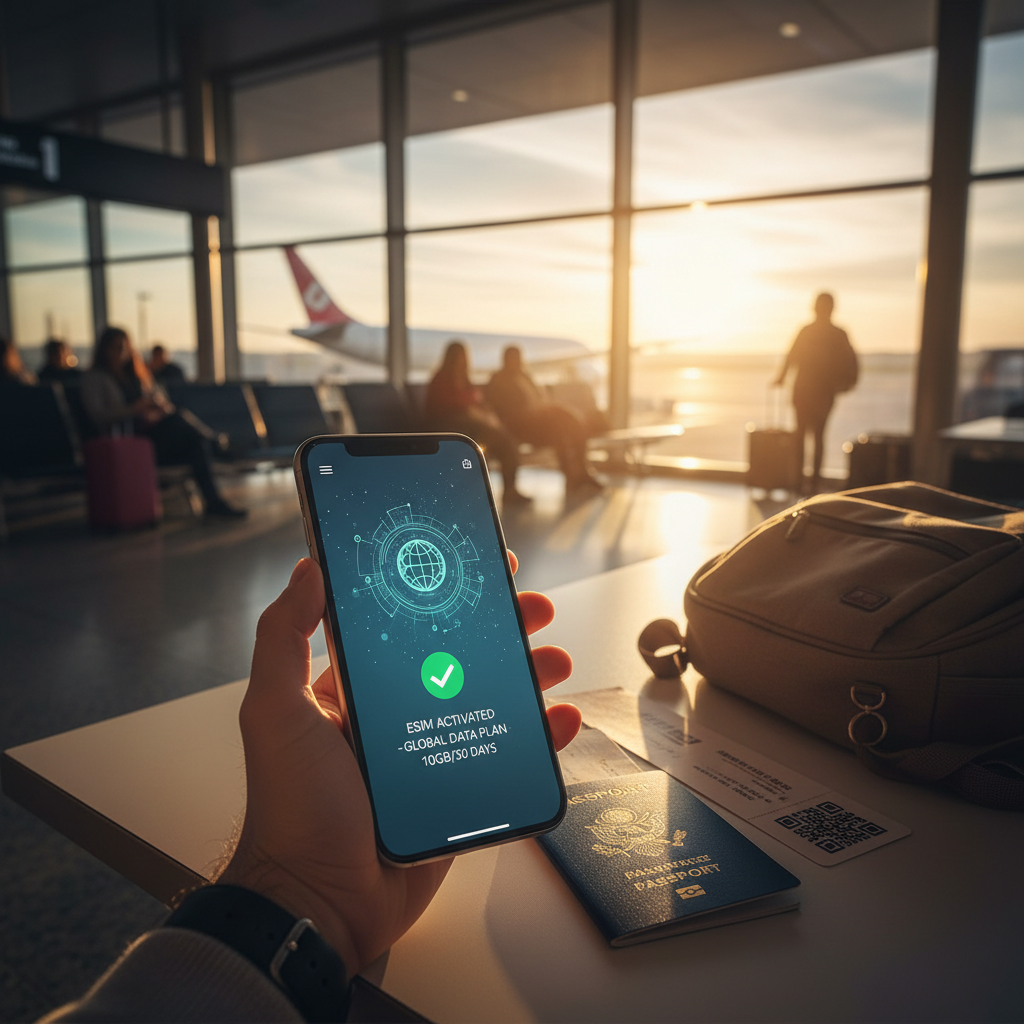
Quick answer: is a travel eSIM worth it for your next trip?
For most international travel from the UK, USA, or EU in 2026, a travel eSIM is worth it. The exceptions are genuine edge cases, covered later in this guide.
Here is why
Avoid bill-shock from data roaming. UK providers charge £6 to £10 per day for USA roaming passes. eSIMs can save up to £15 a day on roaming charges by replacing those daily fees with a fixed, prepaid data bundle.
Local-style rates without a store visit. Some esim plans start from £2.99 for data bundles, putting them close to local carrier pricing without passport checks or queue time.
Keep your existing sim active. Travel eSIMs enable users to keep their primary SIM active for receiving important messages while the eSIM handles mobile data abroad.
Fast setup process. You can purchase travel esim plans online before traveling and install them in under five minutes, with no physical card needed.
Concrete example: a 10-day USA trip from the UK. Typical network provider roaming with a daily bolt-on costs around £7 to £10 per day, totalling £70 to £100. A travel eSIM offering 5 to 10 GB over the same period costs roughly £20 to £30, or about £2 to £3 per day for similar data.
A travel eSIM is strongest for non-EU trips, multi-country itineraries, and short city breaks where roaming fees add up fast.
Home roaming add-ons or local sim cards can still win on price for very long stays (30+ days in one country), heavy hotspot use, or when your mobile plan already includes free EU roaming.
For most trips over a weekend in 2026, use an eSIM as your default option and only deviate when you have a specific reason.
What is a travel eSIM and how is it different from a normal SIM?
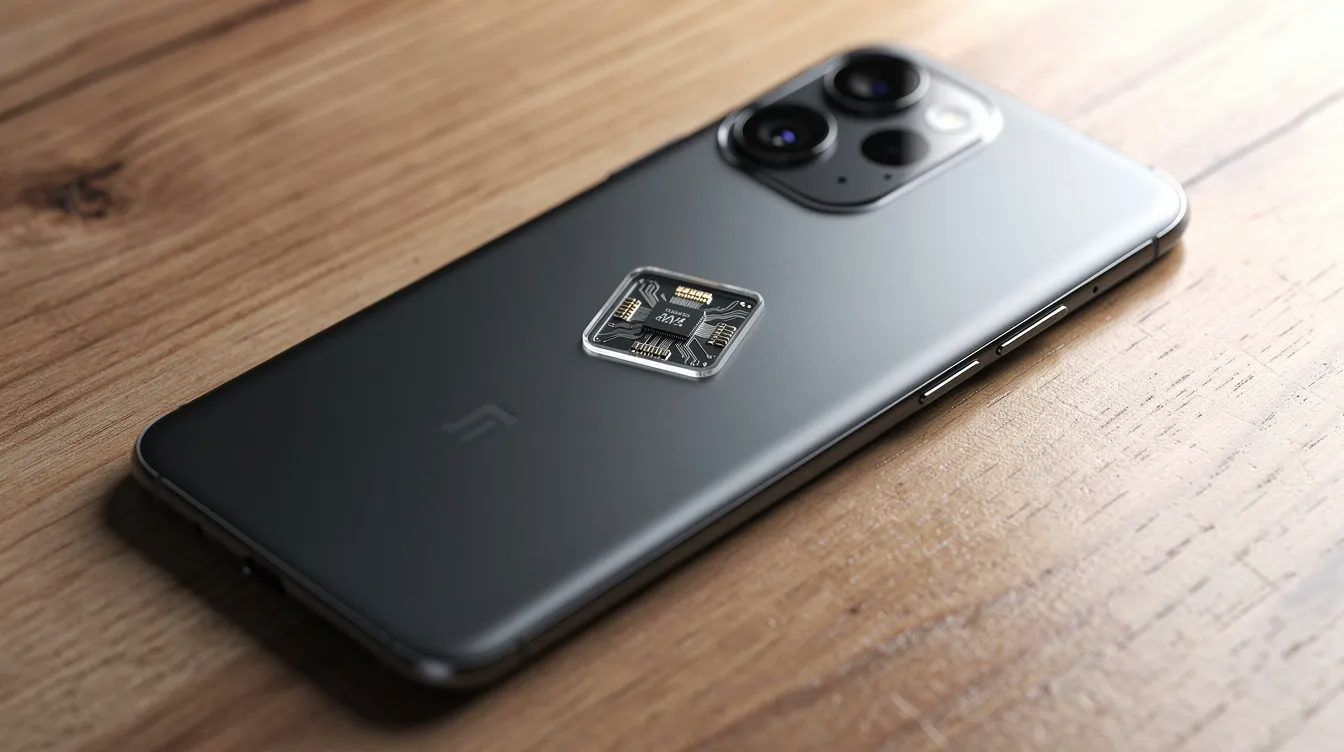
An eSIM (embedded sim) is a digital sim card soldered directly onto your phone's circuit board. There is no plastic sim card to insert or swap. The esim technology has been in consumer phones for more than a decade in various forms, but reached mainstream travel use around 2020.
A travel eSIM specifically means
A prepaid data package purchased for overseas use, separate from your home phone contract.
Data-only in most cases: no traditional calls and texts, but full support for WhatsApp, FaceTime, Telegram, Signal, and other internet based apps.
Delivered digitally via qr code or activation code, not mailed or picked up in a shop.
Valid for a set number of days or until the data allowance runs out.
How it compares:
Normal sim / physical sim card: Includes voice, SMS, and data under your home contract. Requires swapping physical sim cards when you want a local number abroad. Tied to one mobile network.
Traditional roaming add-on: Extension of your home network plan. Keeps your personal number active for calls, texts, and data, but charges premium daily fees outside included zones.
Travel eSIM: Cheaper per GB for most destinations, data-only, works alongside your home SIM through dual sim functionality.
Apple removed the physical SIM tray on US iPhone 14 models in September 2022, making those devices eSIM-only. Most flagship Android phones from 2020 onward support using an eSIM. Digital providers now offer travel esim plans in over 160 to 200 destinations, and eSIMs are available in over 200 destinations worldwide through the largest esim providers.
Which phones and networks support travel eSIM in 2026?
Checking compatibility is step one before buying any esim data plan. Most newer smartphones support esim technology, but older or budget models sometimes do not.
Compatible devices by family and year:
iPhone: iPhones have supported eSIM since 2018, starting with the iPhone XS, XS Max, and XR. Every model from iPhone 11 through iPhone 17 is esim compatible.
Google Pixel: Google Pixel models have eSIM compatibility since 2018, beginning with the Pixel 3.
Samsung: Samsung flagship phones launched since 2020 support eSIM, including the Galaxy S20 through S26 series, Galaxy Z Fold and Flip lines, and select A-series models like the A35 and A55.
Others: Recent flagships from OnePlus, Oppo, Xiaomi, and Motorola support eSIM depending on region. eSIMs can also be installed on compatible devices like smartwatches and tablets.
Most smartphones support eSIM activation since 2018. To check your specific device, open Settings, then General, then About on iPhone and look for an EID field. On an android phone, go to Settings, then Connections or Network, then SIM Manager. You can also dial *#06# on your phone's keypad; if an eid number appears alongside your IMEI, eSIM hardware is present.
Most major UK networks now support eSIM technology. EE, O2, Vodafone, and Three all offer eSIM on many plans, as do sub-brands like Giffgaff, VOXI, and Honest Mobile. Some uk providers still require starting on a physical sim before switching to eSIM.
Your phone must be unlocked to use a third-party travel eSIM. UK networks typically unlock devices on request after the contract period. US carriers often require 40 to 60 days of active service before unlocking. Confirm your device is unlocked before you buy.
Travel eSIM vs roaming vs local SIM: which is cheapest?
The cheapest option depends on destination, trip length, and how much data you need. Here is a side-by-side breakdown.
Roaming with your home provider:
UK networks charge £2 to £3 per day for EU roaming passes on most pay-monthly contracts.
For the USA, daily roaming passes run £6 to £10 per day. Vodafone UK, for example, charges £6 to £7.86 per day in the USA on standard plans.
A 10-day US trip on roaming averages roughly £49.28 for 10 GB, according to Ofcom's 2025 pricing report.
Buying a local SIM:
Airport tourist SIMs in Europe or Asia typically cost €20 to €30 for 10 to 20 GB.
Requires a store visit, possible passport registration, and swapping your uk sim out of the tray.
Using a travel eSIM:
Travel eSIMs offering 5 to 10 GB cost around £10 to £25 depending on destination. Ofcom found that eSIMs averaged £21.83 for 10 GB on a 10-day US trip.
No need to visit a shop or swap a physical card; the digital version downloads before departure.
eSIMs save on international roaming charges for most trips outside Europe.
Travel eSIMs are rarely the rock-bottom cheapest option for stays of 30+ days in one country, where local prepaid SIMs offer better value. For trips under three weeks outside Europe, they beat home roaming add-ons in almost every comparison.
One note on unlimited data plans: many providers that offer unlimited data plans apply fair-use caps. Saily, for instance, provides 5 GB of high speed data per day before throttling speeds. Holafly and similar esim brands use comparable daily limits. Read the fine print before assuming "unlimited" means unrestricted.
How travel eSIMs work step-by-step (from purchase to first connection)
The whole process takes a few minutes once you know your destination and how much data you need.
Choose destination and plan. Pick a country or region, decide on gigabytes and validity period. A travel eSIM allows users to download prepaid mobile data plans for different countries from a single device.
Buy online. Purchase through an esim brand's app or website. Payment is usually by card or PayPal. You can purchase travel eSIM plans online before traveling.
Receive activation details. The provider sends a qr code or activation code via email or in-app notification.
Install on your phone. You need Wi-Fi to download and activate an eSIM profile. Do this at home before departure. eSIMs can be activated before or after arriving at your destination, but installing early avoids scrambling for Wi-Fi at the airport.
Activate on arrival. Enable data roaming on the new esim profile. After landing, the eSIM activates locally to provide mobile data access and will connect automatically to a partner local network.
Concrete example: buying a 10 GB, 15-day Japan data package in June 2026 from an esim provider, installing it at home in Manchester, then letting it connect automatically when you land at Tokyo Haneda. You are online within seconds of switching your phone off airplane mode.
Save your qr code provided by the provider and confirmation email as a PDF stored offline. If you delete the profile or change devices, you will need these to reinstall.
How to set up a travel eSIM on iPhone and Android
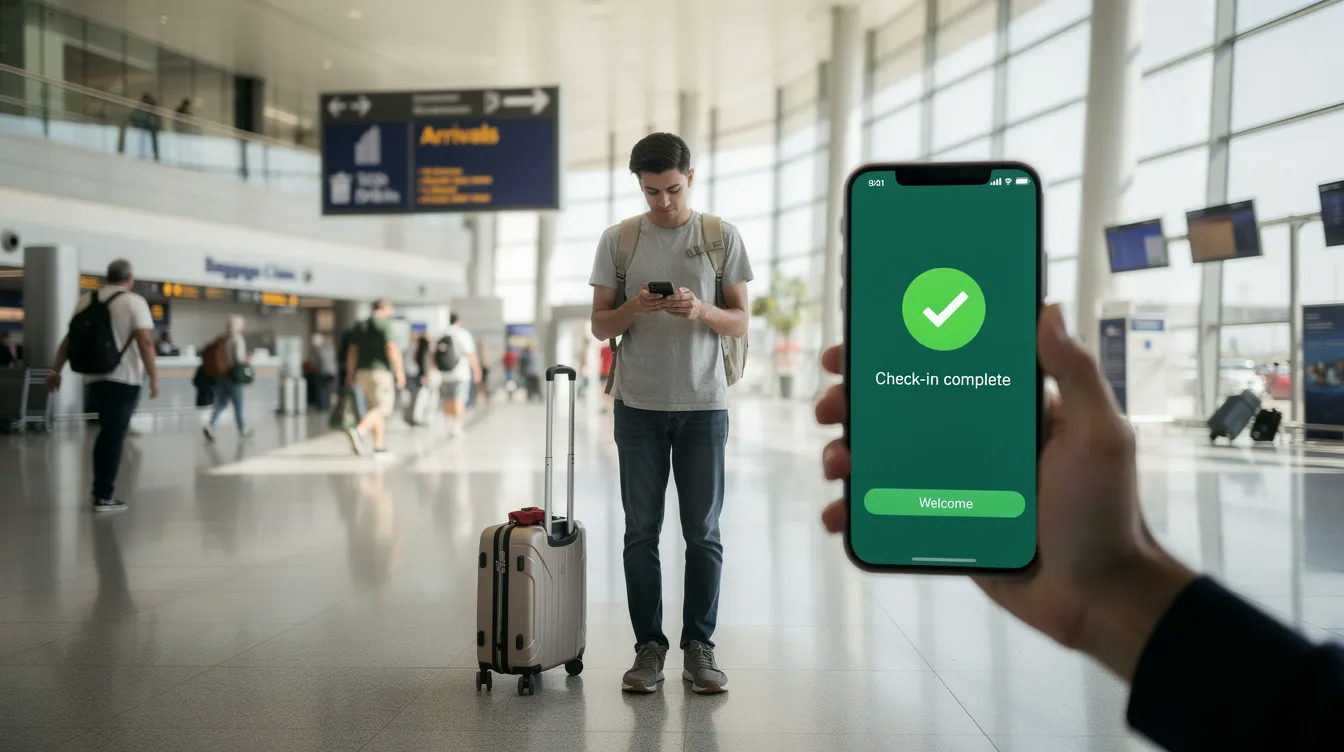
Setup takes under five minutes on compatible devices if you follow the on screen instructions.
iPhone:
Open Settings, then Mobile Data (or Cellular), then Add eSIM.
Select "Use QR Code" and scan the qr code from your provider.
Label the new cellular plan "Travel" to keep it distinct from your home line.
Set the travel eSIM as your default for mobile data. Keep your home SIM as default for phone calls and SMS.
Enable data roaming on the travel eSIM profile only.
Android phone (Pixel / Samsung):
On Google Pixel: Settings, then Network & Internet, then SIMs, then Add eSIM. Scan the qr code or enter the activation code manually.
On Samsung: Settings, then Connections, then SIM Manager, then Add eSIM.
Label the plan and set it as the default data connection.
Toggle data roaming on for the travel profile; toggle it off on your home SIM to avoid hidden charges.
Once installed, the travel eSIM will connect automatically to the partner mobile network in your destination country. eSIMs allow instant setup without physical SIM cards, and the digital sim profile stays on your device until you choose to remove it.
Managing two SIMs: keep your home number, use eSIM data
Many smartphones support both a primary SIM and a travel eSIM simultaneously. This dual sim functionality means your phone runs two profiles at once: one for your home network, one for travel data.
Common setup for international travellers: home SIM handles phone calls and texts (if anyone dials your personal number), travel eSIM handles all cellular data and internet connection.
Phone settings: on both iOS and Android, go to phone settings and set "Default line for calls" and "Default for SMS" to your home SIM. Set "Default for mobile data" to the travel eSIM.
Roaming warning: incoming calls on your home SIM abroad can still incur roaming fees, especially outside the EU. Use WhatsApp or FaceTime over your travel eSIM's data connection instead.
Wi-Fi calling: if your home network provider supports Wi-Fi calling, enable it before departure. This routes calls through your internet connection rather than the home network's roaming agreement.
eSIMs support multiple profiles for different data plans, and you can store multiple eSIM profiles on your device. That means you can keep more than one esim ready for future trips. eSIMs allow users to switch between multiple data plans by toggling the active profile in settings.
Choosing the right travel eSIM data plan (GB, days, and "unlimited")
Picking the wrong data bundle wastes money in both directions: too little and you run out mid-trip, too much and you pay for gigabytes you never touch.
Typical usage benchmarks:
1 GB: email, maps, light social media without video. Enough for a short city break if you stick to Wi-Fi for streaming.
5 GB: maps and navigation, streaming music, moderate social uploads, occasional video calls.
10 GB: HD video streaming, heavy map use, tethering a laptop for light remote work.
Travel eSIM plans can vary in data limits and expiration dates. Most esim companies count the validity period from first network connection rather than purchase date, so buying a few days early does not waste time.
When to pick unlimited data vs a fixed data bundle
Choose unlimited plans if you do remote work, stream video daily, or rely on mobile hotspot for a laptop. Be aware that many unlimited plans cap high speed data at 3 to 5 GB per day and throttle after that.
Fixed data offers cost predictability. Topping up a new esim plan mid-trip is usually faster than dealing with throttled speeds.
Concrete examples:
Weekend city break in Paris: 3 to 5 GB covers two to three days comfortably.
Two-week US road trip: 10 to 20 GB, depending on how much streaming or hotspot use you need.
30-day Southeast Asia backpacking: a regional eSIM with 20 to 30 GB, or recurring top-ups in each country. Some popular esim destinations in the region include Thailand, Vietnam, and Indonesia.
Coverage, speed, and reliability: will your travel eSIM actually work?
Performance depends on the underlying mobile network partners your esim provider contracts with in each country. eSIMs provide more network choices while traveling because many esim services aggregate access from multiple carriers.
Single-network vs multi-network eSIMs. A multi-network eSIM can connect automatically to whichever local network has the strongest signal. This matters in rural or mountainous areas where one carrier has good coverage but another does not.
Notable networks by country: In the USA, Verizon tends to have stronger rural coverage along interstate highways, while T-Mobile leads in urban 5G. In Japan, NTT Docomo covers remote Hokkaido better than SoftBank. In Turkey, Turkcell, Vodafone TR, and Türk Telekom each have different rural footprints.
Check before you buy. Look at reviews from recent travellers, check local carrier coverage maps, or ask accommodation hosts about reliable internet in the area.
eSIM data speeds (4G/5G) are the same as a normal sim on the same network. Any throttling typically comes from the esim plan's fair-use policy, not from esim technology itself.
Calls, texts, hotspots, and other practical questions
This section handles the most common "can I...?" issues.
Calls and SMS: most travel eSIMs are data-only. No traditional phone calls or SMS through the esim card itself. All internet-based services (WhatsApp, iMessage, FaceTime, Signal) work over your data connection.
WhatsApp continuity: switching to a travel eSIM does not force a new WhatsApp account. Your phone number and chat history stay intact as long as your home SIM remains in the device.
Hotspot / tethering: many esim providers allow tethering, but some unlimited data or cheap plans block it or cap data speeds once hotspot usage crosses a threshold. Check plan details before relying on mobile hotspot for work.
Family travel: you can buy multiple eSIMs (one per device) under one account, but each esim profile lives on a single device at a time. You cannot share a single profile across multiple sim cards or multiple devices the way you share home Wi-Fi.
Security, privacy, and what happens if something goes wrong
eSIMs are at least as secure as traditional sim cards, with one structural advantage.
eSIMs enhance security by being embedded in devices. The profile cannot be physically stolen or swapped out of a tray, which reduces SIM-swap theft risk when travelling.
Recovery if something breaks: if you delete or lose your esim profile, contact the provider with your order number and request a new qr code. Some esim companies reissue for free; others charge a small fee.
App permissions and privacy: turn off cross-app tracking on iOS and Android when using esim apps. Consider a reputable VPN for sensitive activity, especially on an unfamiliar local network.
Pre-trip backup: store your order number, support email or WhatsApp contact, and qr code offline (paper printout or saved PDF) so you can get help even without an internet connection.
When a physical SIM or your existing provider might still be better
A travel eSIM is not the right answer every time.
Ultra-cheap local prepaid offers. In Thailand, Vietnam, or Turkey, in-country SIMs sell for around £8 to £15 per month with large or genuine unlimited data. For stays over 30 days, a local physical sim card bought at a store visit often undercuts esim deals.
Countries with patchy eSIM support. Some nations require in-person passport registration that complicates remote eSIM activation. Parts of Latin America and Sub-Saharan Africa have limited esim provider coverage, making a local SIM from the airport more practical.
Very short EU city breaks for UK pay-monthly customers. If your mobile plan already includes EU roaming, a two-night trip to Spain or France costs nothing extra for data. Setting up a separate travel eSIM adds complexity for no real saving. Keep your uk sim roaming enabled and save money on the cost effective option.
Rule of thumb: use a travel eSIM for most trips of 3 to 21 days. Consider a local SIM for multi-month stays. Consider home roaming add-ons only when they are genuinely cheap or already included in your international plan.
Checklist: what to do 7 days, 2 days, and on the day you fly
A short timeline to reduce pre-trip stress.
7 days before:
Confirm your phone is unlocked and esim compatible (check for the EID via *#06# on your phone's keypad).
Compare a few esim providers for your destination. Look at coverage, price per GB, and hotspot rules.
Decide how much data you need and pick a validity period that covers your trip.
Read the fair-use policy. Check whether the plan supports hotspot, and whether there is a discount code available.
2 days before:
Buy and download the new esim. You need Wi-Fi to download and activate an eSIM profile.
Add it to your phone and label it "Travel" in phone settings. If the plan starts on first network connection, do not activate it yet.
Set it as your secondary data plan. Keep your home SIM as default for calls.
Save the qr code and confirmation email as an offline PDF.
Day of travel and arrival:
Enable the travel eSIM and data roaming as you taxi to the runway or after landing.
Disable roaming on your home SIM to avoid roaming fees.
Confirm you can browse, load maps, and open messaging apps on your new data connection.
Message family or travel companions that you have landed, using your esim data.
During the trip, track your data usage in phone settings. If you are running low, most esim services let you top up or buy a second data bundle directly in-app. You can keep more than one esim profile on your device for future trips, so there is no need to delete old profiles unless you want to clean up.
For most trips in 2026, a travel eSIM is the fastest, most cost effective route to cheap, reliable internet abroad. Run through this checklist a week before your next flight, and you will be online before you clear customs.