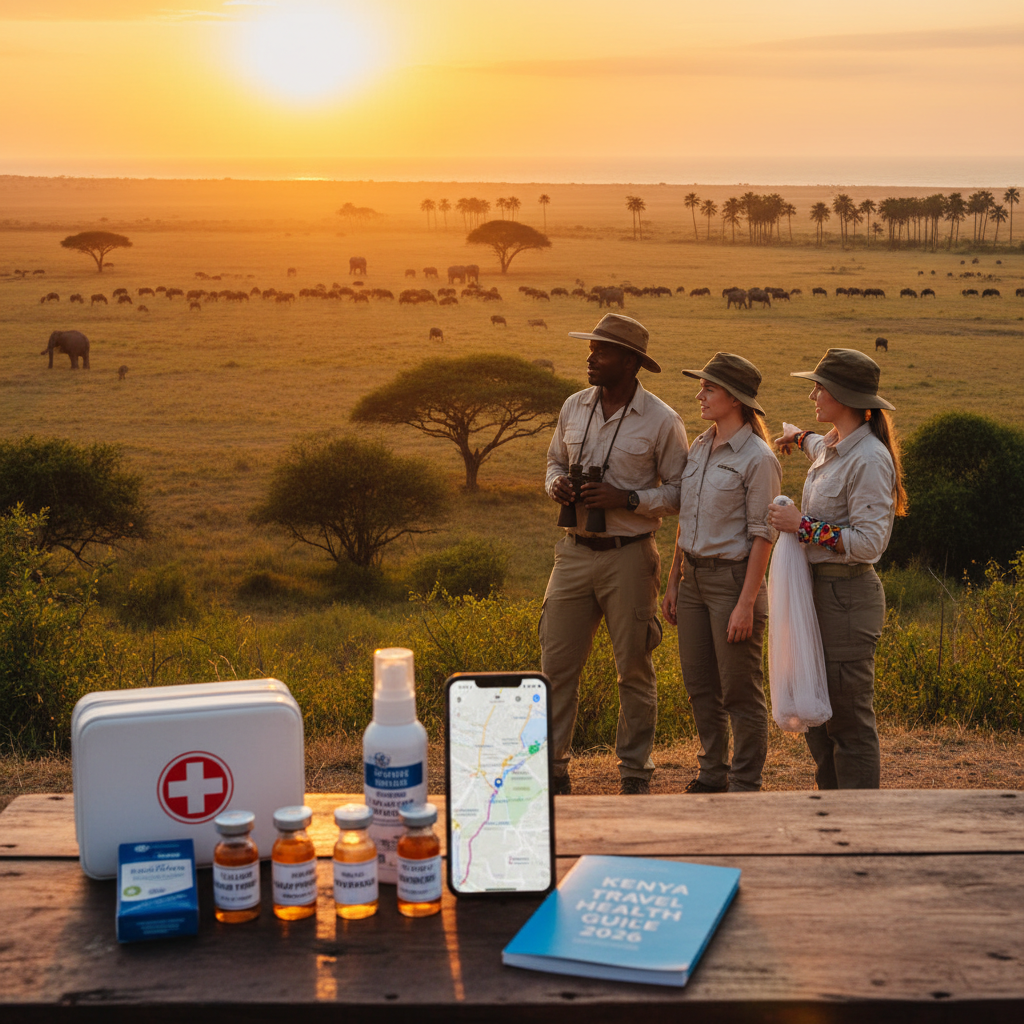
💉 Vaccines: Required & Recommended
⚠️ Yellow Fever Certificate — Mandatory
Kenya requires proof of yellow fever vaccination for travellers arriving from yellow fever-endemic countries (most of sub-Saharan Africa, parts of South America). You must carry your International Certificate of Vaccination or Prophylaxis (ICVP). If you cannot produce it at the border, you may be vaccinated on the spot or refused entry. The WHO recommends all travellers to Kenya get vaccinated regardless of origin due to active transmission risk in western Kenya.
The yellow fever vaccine for Kenya protects against a mosquito-borne virus and gives lifelong immunity for most adults after a single dose. Give it at least 10 days before you fly, and keep the certificate with your passport rather than in checked luggage.
Recommended Vaccinations for Travelers
Most vaccinations fall into two groups: those that protect against food and water hazards, such as hepatitis A, typhoid and cholera, and those tied to animal or blood contact, such as rabies and hepatitis B. Travelers planning longer trips or visiting rural areas face greater exposure to these diseases. Your clinic will tailor the list to your itinerary, length of stay and health history.
VaccineRisk / ReasonNotesYellow FeverRequired from endemic countries; recommended for allMandatory ICVP certificate — get 10+ days before travelHepatitis AContaminated food & water common outside Nairobi hotels2-dose series; single dose gives 1-year protectionHepatitis BBlood/body fluid exposure, clinical procedures3-dose series over 6 months; combined A+B vaccine availableTyphoidContaminated food/water, especially upcountryOral (4 capsules) or injection; boosters every 2–5 yearsRabies (pre-exposure)Dogs, monkeys, bats — common in rural areas3 doses before travel; simplifies post-exposure treatmentMeningococcal (MenACWY)Required for Hajj/Umrah; recommended for long-staySingle dose; booster every 5 yearsCholera (Dukoral)Watery diarrhoea hazard in outbreak areas, Mombasa coastOral vaccine; 2 doses 1–6 weeks apartPolio boosterThe country has had poliovirus detections in recent years; travelers may carry the virus across bordersOne adult booster if not vaccinated in last 10 yearsTetanus/Diphtheria/PertussisWounds, dust, soil exposure on safariBooster if >10 years since last doseMMR (Measles-Mumps-Rubella)Measles circulates in East Africa2 doses if born after 1957 and not previously vaccinated
Tip: Visit a travel health clinic at least 6–8 weeks before your trip. Many vaccinations require multiple doses spread over weeks. The CDC and WHO both have online country-specific vaccine advisories you should check within 4 weeks of your trip date.
Ask for influenza cover at the same appointment if you are travelling in a group or on long-haul flights, and take a printed copy of your vaccination record — that information is far easier to show a doctor than a phone screenshot. Travelers who visit multiple countries on one trip should bring proof of all vaccinations received.
🦟 Malaria — Risk Zones & Prevention
Malaria is the single biggest infectious disease risk for travellers to Kenya. It is transmitted by Anopheles mosquitoes and is present year-round in most of the country. Plasmodium falciparum — the most dangerous and potentially fatal strain — is the dominant species.
There is no vaccine for malaria in Kenya travellers can rely on, so prophylaxis plus avoiding mosquito bites does the work.
Risk by Region
Region / AreaRisk LevelNotesMombasa & Kenyan CoastHighYear-round transmission; chloroquine resistance presentLake Victoria basin / KisumuVery HighHighest transmission in Kenya; perennial riskWestern Kenya (Nyanza, W. Province)HighYear-round; altitude provides little protection below 2,000mMaasai Mara / Rift Valley (below 2,000m)Moderate–HighSeasonal peaks April–June, Oct–NovAmboseli / Tsavo National ParksModerateRisk lower but still present; take prophylaxisNairobi (above 1,800m)Very LowCity itself is low-risk; no prophylaxis usually neededNaivasha / Nakuru / Nanyuki (highland)LowHigh altitude reduces mosquito activity significantlyMount Kenya / Aberdares (above 2,500m)NegligibleCold temperature prevents transmission
Anti-Malarial Medications
Atovaquone-Proguanil (Malarone)
Pros: Fewest side effects, start 1–2 days before travel
Cons: Most expensive (~£3–5/day); not for long trips (>3 months)
Best for: Best for short trips (1–4 weeks)
Doxycycline
Pros: Cheapest option (~£0.20–0.50/day); also treats other infections
Cons: Sun sensitivity, stomach upset, can't take if pregnant
Best for: Good budget option for longer trips
Mefloquine (Lariam)
Pros: Weekly dosing convenient
Cons: Neuropsychiatric side effects; start 2.5 weeks early
Best for: Last resort — many doctors avoid it now
🛡️ Bite Prevention is Non-Negotiable
Use DEET ≥30% repellent on exposed skin (reapply every 3–4 hours)
Wear long sleeves and trousers after sunset
Sleep under a permethrin-treated bed net (most budget lodges provide them)
Stay in screened, air-conditioned rooms where possible
If you develop fever within 3 months of returning home, get an immediate blood test
🔴 HIV & AIDS: What Travellers Need to Know
Kenya has one of the largest HIV-positive populations in the world — an estimated 1.4 million people living with HIV (2023), representing roughly 4.3% of the adult population. The government has made significant progress, with over 1.1 million people on antiretroviral therapy (ART). Transmission risk for tourists engaging in standard activities is extremely low, but travellers should be aware of risks during their stay.
How HIV is Transmitted
Unprotected sexual intercourse
Contaminated needles / syringes
Blood transfusions (screened in Kenya but risk not zero)
Mother to child during birth / breastfeeding
NOT by casual contact, mosquitoes, or sharing food
Reducing Your Risk
Use condoms for all sexual encounters
Never share needles or syringes
Carry a sterile needle kit for emergencies
Use licensed dental/medical facilities
Avoid tattoos or piercings with unsterile equipment
Post-Exposure Prophylaxis (PEP)
If you believe you have been exposed to HIV (unprotected sex, needlestick injury), you must start PEP within 72 hours — the sooner the better. PEP is a 28-day course of antiretroviral drugs that prevents HIV from establishing itself. Go immediately to the Aga Khan Hospital, Nairobi Hospital, or any major hospital emergency room and ask for PEP.
HIV Testing in Kenya
Kenya has made HIV testing widely accessible. If you want to test during your trip
VCT Centres (Voluntary Counselling & Testing) — available in all major towns, often free or very low cost
Aga Khan Hospital, Nairobi — walk-in HIV testing, rapid result in 20 minutes
Nairobi Hospital — comprehensive STI screening panels
Pharmacy rapid tests — HIV self-test kits available at Nairobi pharmacies (OraQuick, Exacto) for ~KES 600–800 (~£3.50–5)
🌋 Rift Valley Fever & Tropical Diseases
Rift Valley Fever (RVF)
Rift Valley Fever is a viral zoonosis transmitted by mosquitoes and direct contact with infected animal blood or tissue. Kenya has had multiple outbreaks, particularly in the Rift Valley and northeastern regions during periods of heavy rainfall. The 2006–2007 outbreak killed over 150 people. Risk for tourists is low but not zero — avoid contact with slaughtered animals, raw meat, and unpasteurised animal products during outbreak periods. There is no licensed human vaccine (a research vaccine exists but is not commercially available). Monitor WHO outbreak alerts before travel.
Dengue Fever
Dengue is transmitted by Aedes aegypti mosquitoes (daytime biters) and is present in coastal Kenya (Mombasa) and increasingly in Nairobi. There is no specific treatment — rest, fluids, paracetamol (NOT ibuprofen/aspirin). Prevention: same DEET repellent and protective clothing as for malaria, but applied during the day as well as night. Kenya reported over 4,000 dengue cases in 2023.
Chikungunya
Also transmitted by Aedes mosquitoes, Chikungunya causes severe joint pain that can persist for months. Cases reported on the Kenyan coast. Prevention is the same as dengue — DEET during daytime hours. No vaccine or specific treatment.
Plague (Bubonic / Pneumonic)
Rare but present in Kenya's north-west. Transmitted by fleas from infected rodents. Risk for typical tourists is negligible. Avoid contact with dead rodents in rural areas. Seek immediate medical care if fever and swollen lymph nodes develop after rural exposure.
Schistosomiasis (Bilharzia)
Present in Lake Victoria and some other freshwater bodies in Kenya. Caused by parasitic worms in freshwater snails. Do NOT swim or wade in fresh water in rural Kenya unless it is a hotel pool with treated water. Infection often has no immediate symptoms. If you swam in suspect freshwater, see a doctor 6–8 weeks after return for a blood test.
Mpox (Clade I)
Clade I mpox outbreaks in the wider region mean Kenya has reported imported cases, and the virus spreads through close skin-to-skin contact rather than food and water. There is no routine vaccination for tourists; check current WHO and CDC information shortly before departure, avoid contact with anyone showing an unexplained rash, and report symptoms to a clinic quickly.
Tuberculosis (TB)
Kenya has one of Africa's highest TB burdens (~130,000 new cases/year). Risk to short-term tourists is very low. Risk rises for those in prolonged close contact with local populations (healthcare workers, volunteers, long-stay travellers). If you will be in Kenya for 3+ months in a healthcare or community setting, discuss TB testing (IGRA blood test or tuberculin skin test) with your doctor before and after travel.
🦠 Typhoid, Traveller's Diarrhoea & Other Risks
Typhoid Fever
Contaminated food and water. High risk outside tourist hotels in Nairobi and upcountry areas. Vaccine recommended. Symptoms: sustained high fever, headache, abdominal pain. Treatment: antibiotics (note increasing drug resistance in East Africa).
Traveller's Diarrhoea
Most common health complaint for Kenya visitors. Caused by E. coli, Campylobacter, Salmonella. Usual duration: 3–5 days. Treat with oral rehydration salts. Carry Imodium for convenience (not if blood/fever present). Carry ciprofloxacin for severe cases — consult your doctor.
Cholera
Cholera outbreaks occur periodically, including along the coast and in crowded settlements, and the disease spreads through contaminated water and food. Oral vaccination is recommended mainly for aid workers and travellers heading to outbreak areas; strict water discipline protects everyone else.
Rabies
Dogs, monkeys (common in Nairobi, Diani Beach), and bats. Always wash animal bites immediately with soap and water for 15 minutes. Seek medical care within 24 hours. If unvaccinated, you need rabies immunoglobulin (hard to source in Kenya — major Nairobi hospitals only) plus 5-dose vaccine series. Pre-exposure vaccination simplifies treatment greatly.
Altitude Sickness
Mount Kenya (5,199m) and trekking routes around it carry real altitude sickness risk. Ascend slowly, stay hydrated, consider acetazolamide (Diamox). Symptoms: headache, nausea, dizziness. Descend immediately if symptoms worsen or you develop shortness of breath at rest.
🚰 Water & Food Safety in Kenya
🚫 Do NOT drink tap water in Kenya
Tap water in Nairobi and other Kenyan cities is technically treated but often contaminated by aging pipes and infrastructure. Outside major cities, tap water is generally unsafe. Always drink bottled water, boiled water, or water purified with iodine tablets / SteriPen UV purifier.
✅ Safe to eat/drink
Sealed bottled water (check seal is intact)
Hot drinks made with boiled water (tea, coffee)
Freshly cooked, piping hot food
Fruits you peel yourself
Vegetables cooked thoroughly
Pasteurised dairy products (UHT milk)
❌ Avoid
Ice in drinks (made from tap water)
Raw salads / unpeeled fruits from street stalls
Undercooked meat or seafood
Unpasteurised dairy (fresh camel milk, goat milk)
Food left sitting in the heat for hours
Street food from hygienically questionable vendors
Despite the risks, Kenya has fantastic food culture — Kenyan restaurants in Nairobi and major tourist areas maintain high hygiene standards. Nyama choma (roasted meat), ugali, sukuma wiki, pilau rice, and samosas from reputable places are generally very safe.
How Most Travelers Get Infected
Almost every traveller illness traces back to four routes of transmission, and knowing them makes prevention simple. Most visitors become infected through predictable exposures that are entirely avoidable:
Contaminated food and drink — traveller's diarrhoea, typhoid, hepatitis A and cholera. Bottled or purified fluids and hot, freshly cooked food remove most of this hazard. These diseases spread rapidly in areas with poor sanitation.
Mosquito bites — the parasites causing these infections, dengue, chikungunya and the virus. Repellent, nets and covered skin matter as much as tablets.
Animal contact — rabies from dog, monkey and bat bites or scratches, plus Rift Valley Fever from livestock and raw meat.
Blood and body fluids — HIV and hepatitis B, mainly through unprotected sex, shared needles or unlicensed clinics.
Clinical Guidance & Where to Get Reliable Advice
For country-specific guidance, use the CDC Travelers' Health pages for Kenya, the WHO International Travel and Health information, and the UK's TravelHealthPro or your national equivalent. These sources update outbreak notices and vaccination advice continuously, so check them again a few weeks before departure — entry rules and travel restrictions for the country can change at short notice.
Take your full vaccination history to the appointment. If you are pregnant, immunosuppressed, travelling with young children or managing a chronic condition, ask a travel medicine specialist rather than relying on general advice, since some vaccines and anti-malarials are not suitable for everyone.
🏥 Medical Facilities & Emergency Contacts
Best Hospitals in Kenya for Tourists
Aga Khan University Hospital, Nairobi
⭐⭐⭐⭐⭐
Best private hospital in East Africa. International-standard care, 24/7 A&E, specialist consultants. Accepts international insurance cards. 3rd Parklands Ave, Nairobi. Tel: +254 366 2000
Nairobi Hospital
⭐⭐⭐⭐⭐
Major private hospital with full specialist services. Upper Hill, Nairobi. Tel: +254 20 284 5000. Has an international patients department.
MP Shah Hospital (Parklands)
⭐⭐⭐⭐
Strong reputation, especially for surgery. 24/7 emergency. Tel: +254 20 426 4000
Mombasa Hospital
⭐⭐⭐⭐
Best option on the coast. Private facility, 24/7 A&E. Tel: +254 41 231 1190
AMREF Flying Doctors
🚁 Air Evacuation
Medical evacuation service — essential coverage for remote safaris and Mount Kenya trekking. Can evacuate from Maasai Mara airstrip. www.flyingdoctors.org
Emergency Numbers Kenya
Police
999 / 112
Ambulance
999
Fire
999
AMREF Flying Doctors
+254 20 699 2000
Red Cross Kenya
+254 20 395 0000
Tourist Helpline
+254 20 604 767
🛡️ Travel Insurance & Medical Evacuation
Travel insurance with emergency medical coverage is non-negotiable for Kenya. If you need medical evacuation from a remote safari camp or a Mount Kenya trekking route, costs can exceed £50,000. Top providers for East Africa:
AMREF Flying Doctors
Essential for safaris — annual membership from ~$50. Covers evacuation across East Africa.
World Nomads
Popular with independent travellers. Covers adventure activities including safari, trekking.
AXA / Allianz Travel
Comprehensive multi-trip policies. Direct billing with Aga Khan Hospital.
Check that your policy covers: malaria treatment, emergency evacuation, 24/7 assistance line, repatriation of remains, and pre-existing conditions if applicable. Keep all receipts for medical expenses — most policies require them for reimbursement.
🎒 Kenya Health Packing Checklist
💊 Medications & Supplements
Anti-malarial medication (full course + 7 days extra)
Oral rehydration salts (ORS) — 10+ sachets
Ciprofloxacin 500mg — for severe diarrhoea (prescripton)
Imodium (loperamide) — for diarrhoea convenience
Paracetamol and ibuprofen
Antihistamine (for insect bites)
Water purification tablets or SteriPen
Altitude sickness tablets (Diamox) if trekking Mt. Kenya
🩹 First Aid & Protection
DEET repellent ≥30% concentration
Permethrin-treated clothing / spray
Sterile needle kit (for IV/injection emergencies)
Condoms
Wound dressings and antiseptic wipes
SPF 50+ sunscreen (high-altitude UV very intense)
Yellow fever certificate / vaccination records
Travel insurance details and emergency contact card
Frequently Asked Questions
What vaccinations do I need to go to Kenya?
Only yellow fever is ever legally required, and then only for arrivals from endemic countries. Recommended vaccines for Kenya travel are hepatitis A, typhoid, hepatitis B, rabies and tetanus, plus cholera, MenACWY, polio, MMR and influenza depending on your itinerary and health history. Malaria tablets are separate from vaccination and needed for most regions outside highland Nairobi.
Can you get into Kenya without the yellow fever vaccine?
Yes, if you arrive directly from a country with no yellow fever transmission risk — travellers flying in from Europe, North America or Asia are not asked for a certificate. If you have spent time in an endemic country, including a transit stay of more than 12 hours, immigration can ask for your ICVP and may refuse entry without it. The WHO still recommends the vaccine for all travellers to Kenya.
What is required to travel to Kenya from the USA?
US citizens need a valid passport with at least six months' validity and an approved Electronic Travel Authorisation (eTA) before boarding. No vaccine is legally required when flying straight from the USA, though a travel clinic will normally recommend hepatitis A, typhoid and routine boosters, plus anti-malarials and travel insurance with evacuation cover.
Is Masai Mara high risk for yellow fever?
No. Yellow fever transmission risk in Kenya sits mainly in the western districts, not in the Maasai Mara, and cases among tourists are very rare. The Mara's real disease risk is malaria, so mosquito bite prevention and prophylaxis matter more there than the yellow fever vaccine — though vaccination is still sensible if your route also covers western Kenya.