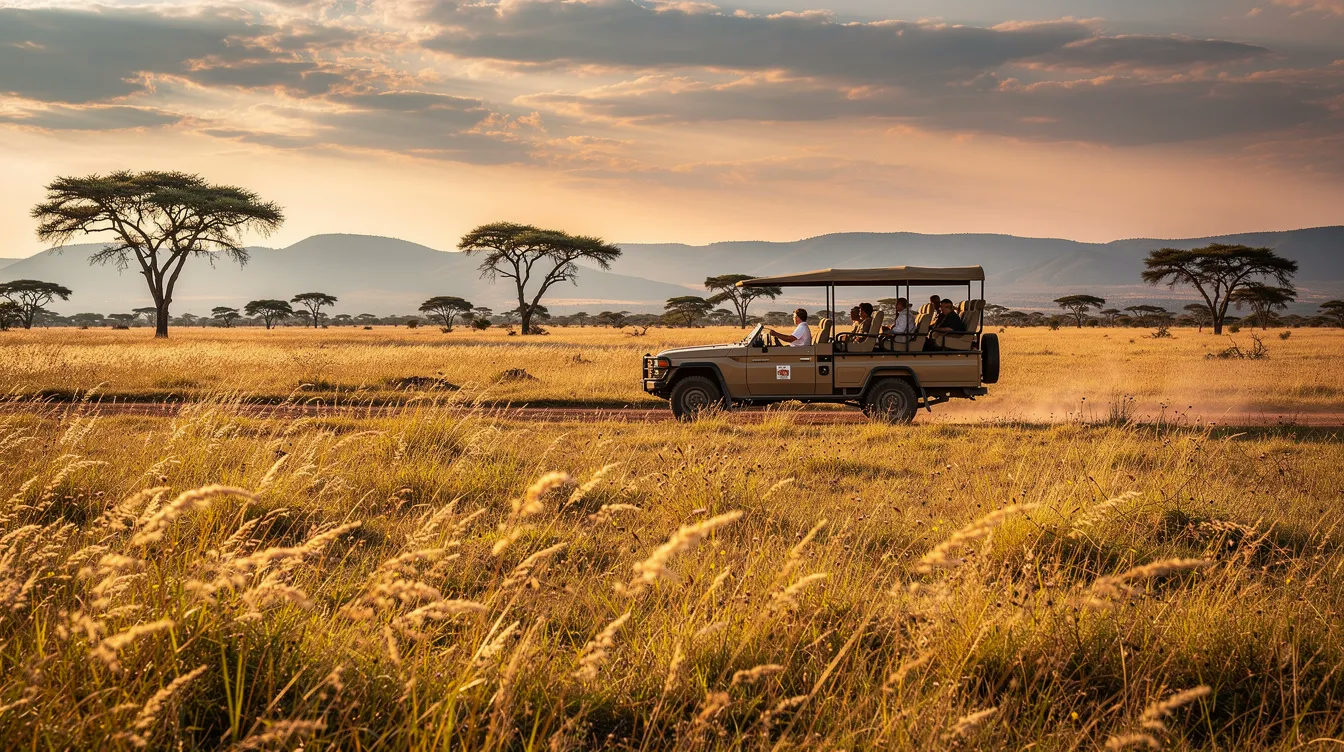
Fast Answers: Is a Safari eSIM Enough for Kenya Travel?
For most visitors, an eSIM is all you need. SafarieSIM connects to Safaricom's infrastructure, which covers approximately 97% of Kenya's population with 4G and holds over 65% market share in the country's mobile market. That translates to reliable connectivity in every major city, along highways, and around accommodation in the country's top wildlife reserves.
SafarieSIM's Kenya eSIM provides data access in
Nairobi, Mombasa, Kisumu, Nakuru, Nanyuki, and Eldoret (strong 4G, expanding 5G)
Key parks: Masai Mara, Amboseli, Tsavo East/West, Samburu, Ol Pejeta, and Laikipia conservancies
Coastal areas: Diani, Watamu, Malindi, and Lamu
Travellers normally do not need a local physical sim card if their phone is esim ready and they don't require a Kenyan phone number or m pesa. eSIMs can help avoid shocking roaming bills by pre-purchasing data packages, and users can connect to local networks immediately upon landing without searching for SIM kiosks.
Use SafarieSIM Kenya eSIM if you need:
Data for maps, WhatsApp, social media, email, and photo backup
Instant activation before or on arrival
No passport queues or local registration
Get a local physical sim if you need:
A Kenyan phone number for local voice calls
M-Pesa mobile money access
A long stay (60+ days) with heavy local calling
How Safari eSIM Kenya Works (With Safaricom Network)
An eSIM is a virtual SIM embedded in devices - a digital sim card you install by scanning a QR code, eliminating the need for a physical sim card entirely. It allows multiple numbers on a single device and removes the hassle of swapping cards. Activation requires a compatible device.
SafarieSIM is an independent provider that partners with Safaricom and other regional carriers but is not owned by them. Once you arrive in Kenya, it automatically connects to the infrastructure, giving you 4G/5G just like a local SIM - without visiting a shop. This allows for instant connectivity upon arrival in a new destination.
Key details
Voice minutes and a Kenyan number are generally not included; use WhatsApp, Signal, or FaceTime over data
An eSIM is a convenient option for dual-SIM phones, allowing the retention of the home SIM while traveling - keep your home physical SIM active for calls/SMS while routing data through SafarieSIM
eSIM can be activated by scanning a QR code delivered to your email
Kenya eSIM Coverage Map: Cities, Safari Parks & Remote Areas
SafarieSIM for Kenya rides on Safaricom's nationwide infrastructure. While population coverage exceeds 95%, only about 66–70% of the country's landmass has service - a critical distinction for travellers heading into wilderness.
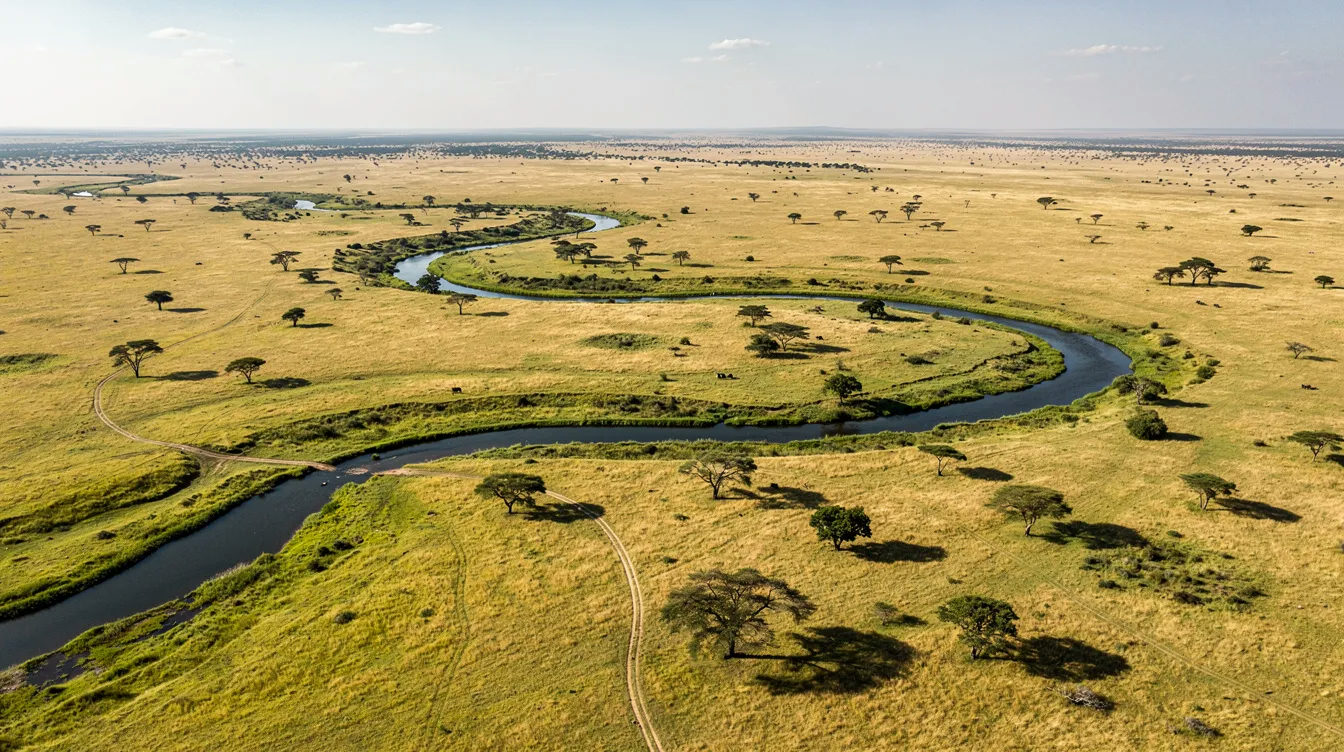
Major cities - Nairobi, Mombasa, Kisumu, Nakuru, Nanyuki, Eldoret - enjoy strong 4G throughout. Nairobi has excellent 4G coverage according to independent network guides. Safaricom has deployed over 1,000 5G sites across all 47 counties, with expanding 5G coverage in Nairobi and Mombasa neighbourhoods.
National parks and reserves with typically good lodge-area coverage
Park / Reserve | Coverage Near Lodges | Deep Bush / Plains |
|---|---|---|
Mara Triangle, main conservancies | 4G at major gates (Sekenani, Talek) and riverside accommodation | Weak to none in deep conservancies |
Amboseli | 4G around Serena Lodge, Ol Tukai, Kimana Gate | Patchy on open plains |
Tsavo East | Good along Mombasa Highway, near Voi accommodation | Limited away from roads |
Tsavo West | Fewer towers, weaker coverage | Often offline in remote sections |
Samburu | Signal at riverside and lodge zones | None in northern valleys |
Ol Pejeta / Laikipia | Reasonable near main camps | Variable in outer conservancies |
These plans work in major wildlife areas, but coverage is strongest near accommodation and camps. Remote areas may have no mobile service. Expect "signal bubbles" around facilities, gates, and main roads rather than blanket coverage - connectivity varies greatly in remote wilderness areas.
Safari Connectivity: What to Expect on Game Drives & in Lodges
During game drives in the Masai Mara, Amboseli, Tsavo, Samburu, and elsewhere, your signal strength depends on proximity to cell masts. Near Sekenani Gate in the Masai Mara or Kimana Gate at Amboseli, expect usable 4G. Once your vehicle heads into open plains or riverbeds, signal often drops to 3G, then nothing.
Practical advice
Download offline maps before game drives for better navigation - vehicles often leave WiFi zones for several hours
Download translation packs and key travel documents to your device before morning and evening drives
Most mid-range and luxury lodges offer WiFi in common areas, but bandwidth is often limited at peak times; SafarieSIM data can be faster for uploads
Coverage limitations can exist in remote safari areas regardless of the network used - most eSIMs connect to the strongest available network in parks, but where no mast exists, no provider can help
Having signal lets you message your guide, camp, or tour operator about delays, breakdowns, or last-minute itinerary changes
Along Mombasa Road near Tsavo, coverage is noticeably stronger than inside the park itself due to highway-adjacent towers.
Beach Coverage: Diani, Watamu, Malindi, Lamu & Coastal Islands

Safaricom coverage - and therefore SafarieSIM - is generally strong along the Kenyan coast. Diani, Tiwi, Mombasa, Kilifi, Watamu, Malindi, and Lamu all enjoy solid 4G, with partial 5G reaching some coastal estates. HOAM offers data options valid for 30 days for Kenya and Tanzania, providing alternative connectivity solutions for extended coastal stays.
Beach resorts usually have WiFi, but shared bandwidth can slow video calls or large photo backups; a kenya esim ensures independent, often faster connectivity
Useful for ordering rides in Mombasa, checking tides, exploring Old Town with Google Maps, or booking excursions
On smaller offshore islands, sandbanks, or during boat trips, coverage may drop to 3G or disappear - sync offline playlists and maps before heading out
SafarieSIM Kenya Plans & How Much Data You Really Need
SafarieSIM offers prepaid plans with no roaming shock or local top-up queues. Here's a rough guide based on current pricing:
Plan | Price (approx.) | Validity | Best For |
|---|---|---|---|
3 GB Lite | $11.06 | 30 days | 4–7 day city + light safari (maps, messaging) |
10 GB Explorer | $29.70 | 30 days | 7–10 day safari adventures (social, navigation, uploads) |
20 GB Extended | $48.18 | 30 days | 2–4 week itineraries or light remote work |
For a typical 10-day trip covering the Mara, Nairobi, and Diani, 10 GB supports daily navigation, Instagram posting, WhatsApp messaging, and moderate photo backup. Heavy streaming or video calls consume more - budget 1–1.5 GB per day for that.
Most travel eSIM providers allow tethering or hotspot capability, so you can share connectivity with a travel companion
If you run out, purchase an extra eSIM or upgrade plan
All Kenya plans connect primarily to Safaricom, with backup infrastructure like Airtel Kenya available in certain regions
Safaricom eSIM vs Travel eSIM: Why Use SafarieSIM for Kenya?
Safaricom has over 65% market share in Kenya, making its network the strongest option. But there's a meaningful difference between obtaining one locally and SafarieSIM's option.
Setting up a local option requires visiting a physical shop with identification - passport registration, queues at Jomo Kenyatta (NBO), Wilson (WIL), or Mombasa (MBA) airports
SafarieSIM can be purchased and installed online before departure, with QR delivery within minutes - pre-purchased international options often skip local passport verification at the airport
The carrier's own service is designed for residents who need calls, SMS, and m pesa; SafarieSIM focuses on connectivity for tourists
With SafarieSIM, you still benefit from wide footprint without dealing with local paperwork
M-Pesa, Payments & When You Still Need a Physical SIM
Kenya's m pesa mobile money system is tied to a Kenyan phone number. Using M-Pesa may require a local registered Kenyan line instead of a data-only travel eSIM. M-Pesa requires a local Kenyan number registration, and tourist eSIMs typically don't support M-Pesa.
You cannot activate m pesa on a SafarieSIM travel eSIM. To use M-Pesa, you must obtain a local Safaricom physical SIM or safaricom esim at an official shop with passport registration.
Alternatives for most visitors
Pay with VISA/Mastercard at lodges, restaurants, and shops in cities
You can use cards and cash for payments instead of M-Pesa
Use Uber, Bolt, and hotel payment links where available
When a physical SIM is worth the hassle:
Long stays over 30–60 days
Digital nomads needing local calls with Kenyan numbers
Volunteers working with Kenyan organisations
Travellers heavily reliant on M-Pesa
For typical 1–3 week kenya travel, a SafarieSIM eSIM plus cards and cash is simpler and faster.
Step-by-Step: Installing & Activating Your SafarieSIM Kenya eSIM
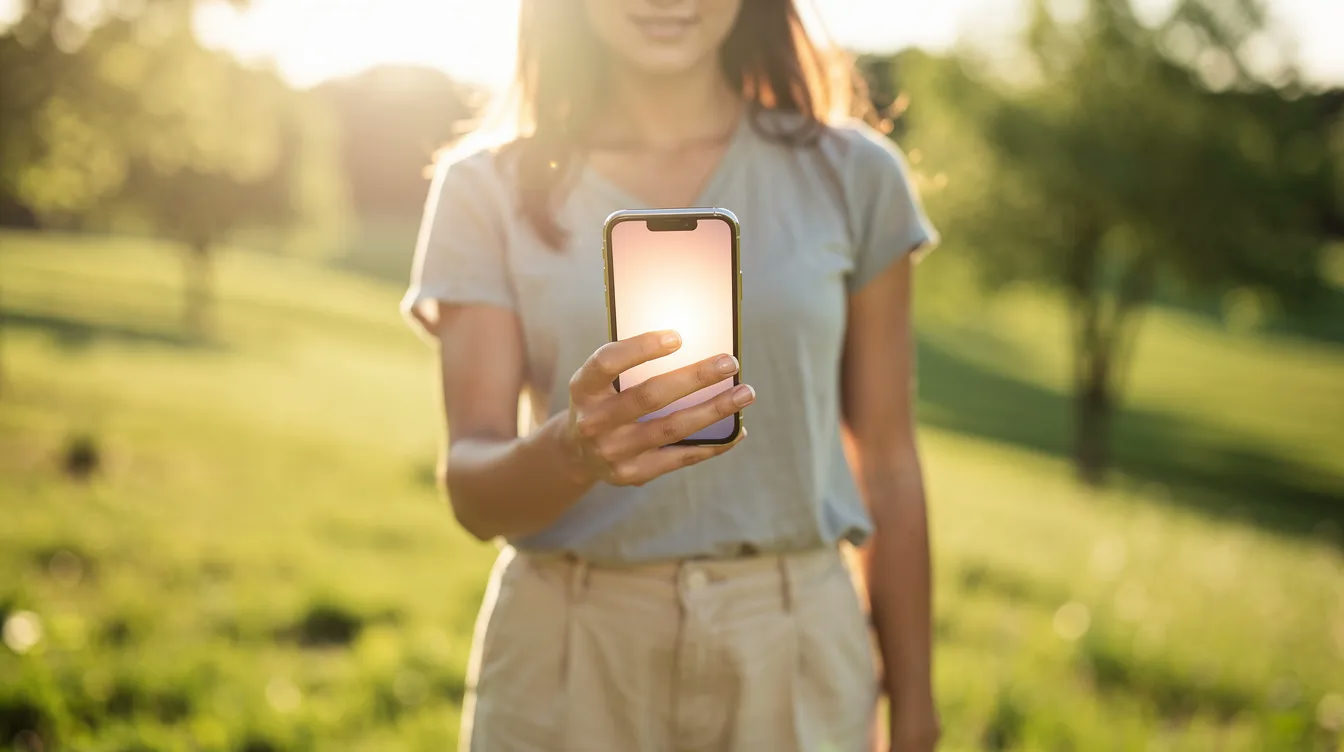
Confirm your smartphone is esim ready before you buy. Then follow these steps
Select your plan - open SafarieSIM, choose "Kenya" or "East Africa," pick your trip dates and amount
Purchase securely online - pay and receive your qr code and manual activation code via email within minutes
Install at home over WiFi - go to settings, tap "Add Mobile Plan," scan the qr code, and label the new line as "SafarieSIM Kenya." The line activation notification confirms the profile is installed
Activate on arrival - switch off roaming on your home physical sim, enable the SafarieSIM line, and wait for it to connect to the network
Troubleshooting:
Lost qr code? Use the email link to re-download it
Device shows "no service"? Toggle airplane mode, restart your device
Data not working? Check APN settings provided by SafarieSIM in the activation email
The entire activation process takes under five minutes. No visit to a shop is needed.
Device Compatibility: Is Your Phone eSIM-Ready for Kenya?
An embedded sim requires hardware support. Most modern smartphones support eSIM functionality, including recent models from Apple and Samsung.
Apple: iPhone XS (2018) and newer
Samsung: Galaxy S20 series and newer
Google: Pixel 3 and newer
Others: Many modern Huawei, Oppo, and Xiaomi models
Dialing *#06# on your phone can confirm if it is eSIM-enabled - if an EID number appears, your device supports eSIM. Some budget or older devices are not esim ready; check SafarieSIM's updated compatibility list before purchase.
Tablets and laptops with eSIM support (iPad Pro, certain Windows devices) work for data-only connectivity during kenya travel
Dual-SIM users: keep your home physical sim for calls/SMS while routing data through the Kenya eSIM line
Smartwatches with eSIM typically require the same carrier as the paired phone, so SafarieSIM is mainly intended for phones and tablets
Safety, Navigation & Photo Backup: Why Reliable Data Matters on Safari
Reliable connectivity on safari isn't just about Instagram - it's a safety tool.
Navigation: Connectivity is essential for routing between reserves, airports, and cities using Google Maps, Maps.me, or Waze. Download offline regions but keep it on for live traffic and updated route info
Emergency contact: With service, you can reach lodges, tour operators, Flying Doctors services, and local emergency numbers. Some remote bush regions still have no service, so never rely solely on mobile networks for emergencies
Photo backup: Back up images and videos to Google Photos or iCloud whenever strong 4G is available at lodges or in towns - protecting memories if devices are lost or damaged
Real-time coordination: Check reserve alerts for road closures or weather, share sightings with fellow travellers, and coordinate guide pick-ups and transfers
Quick tips: Carry a battery pack. Keep your phone in airplane mode when there's no service to save battery. Turn on Wi-Fi calling at lodges where possible. Send heavy uploads when you reach a town with strong connection rather than draining bandwidth in a weak zone.
When Kenya Is Just One Stop: East Africa Regional eSIM Options
Many travellers combine Kenya with tanzania, Uganda, or Rwanda. A Kenya-only option stops providing connectivity at the border.
SafarieSIM offers East Africa regional eSIMs covering Kenya + Tanzania + Uganda (and potentially Rwanda) - ideal for trips from the Mara to Serengeti, Ngorongoro, or gorilla trekking itineraries
Overland routes like Nairobi–Arusha or Nairobi–Kampala are simpler with a regional plan - no need to switch between multiple single-country eSIMs
Regional plans still leverage top local infrastructure: Safaricom in Kenya, Vodacom in Tanzania, MTN in Uganda
One SafarieSIM profile handles multiple borders, reducing hassle for complex East Africa trips
Why Safari Travellers Choose SafarieSIM for Kenya
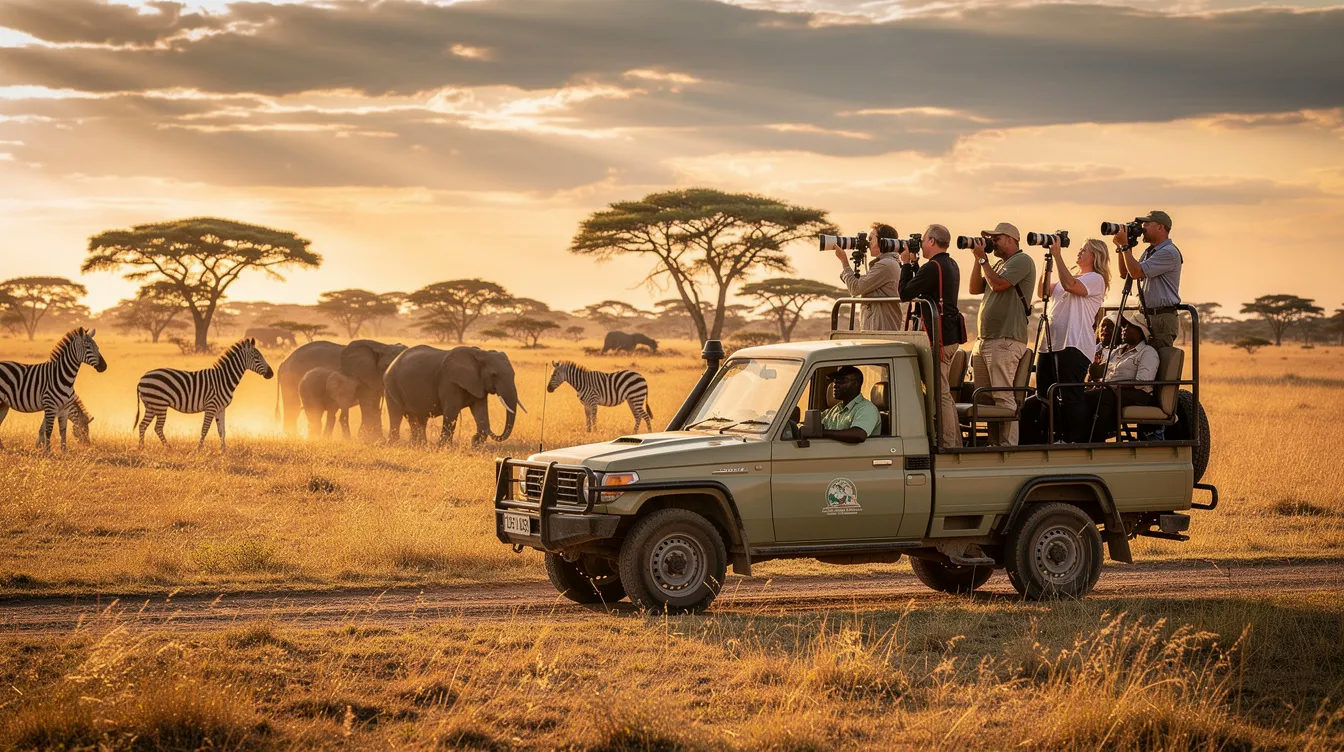
SafarieSIM is built for adventure travel in Africa, with coverage mapping across the Mara, Amboseli, Tsavo, Samburu, and other Kenyan reserves. It's a free-from-paperwork option that delivers:
Instant qr code delivery - no visit or registration needed in most countries
Coverage via Safaricom, Kenya's strongest network
Flexible data plans from light messaging to remote work
24/7 support familiar with safari itineraries
Reduced plastic waste compared to buying multiple physical SIM cards across countries
Verify your device, choose your Kenya or East Africa plan, and activate before departure so you land in Nairobi, Mombasa, or Kisumu already connected. Check SafarieSIM's Kenya coverage details and plan options before finalising your safari booking - reliable data on the ground starts with a few minutes of preparation at home.