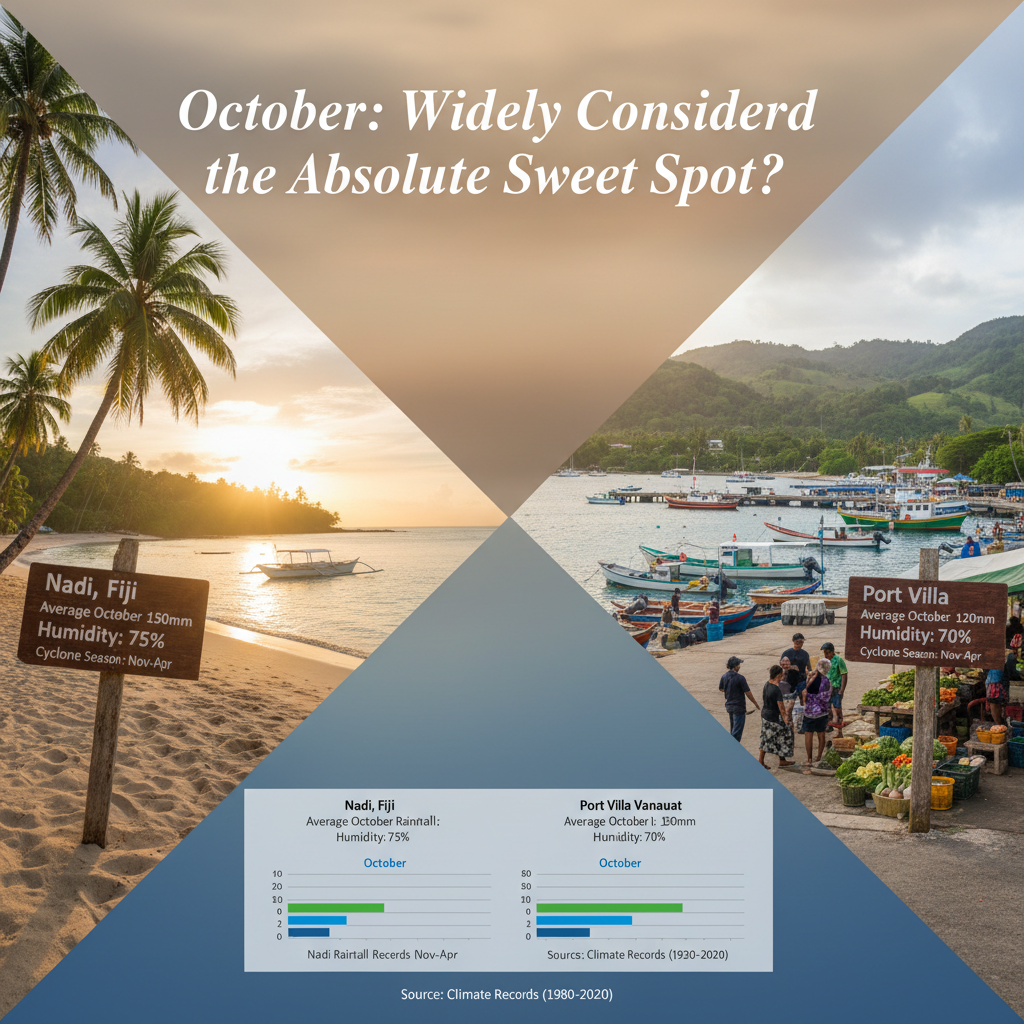
Ask around on travel forums and October is widely considered the absolute sweet spot for a Fiji or Vanuatu trip — the shoulder month where the rain is said to ease, the water is still warm and the school-holiday crowds from Auckland, Sydney and Brisbane haven't arrived. It's a popular opinion, but it is an opinion, and it's worth testing against the actual climate records before you book.
It's a popular opinion, but it is an opinion, and it's worth testing against the actual climate records before you book.
That's what this guide does.
The two countries sit roughly 1,100 km apart and don't automatically share one perfect window, so we treat them separately.
You'll get a clear sense of what October realistically looks like in Nadi versus Port Vila — and when a different month might suit your plans better.
In the Northern Hemisphere, October is mostly known as autumn — harvest, falling leaves, shortening days.
actual climate records before you book. That's what this guide does. The two countries sit roughly 1,100 km apart and don't automatically share a single ideal window, so we treat them separately. You'll get a clear sense of what October realistically looks like in Nadi versus Port Vila — and when a different month might suit your plans better. In the Northern Hemisphere, October is mostly known as autumn — harvest, falling leaves, shorter daylight.
That's what this guide does. Rather than repeat the same advice, we look at what the Fiji Meteorological Service and the Vanuatu Meteorology and Geo-hazards Department publish on rainfall, humidity and the official South Pacific cyclone season, and what Tourism Fiji and the Vanuatu Tourism Office say about visitor numbers month by month.
The two countries sit roughly 1,100 km apart and don't automatically share one perfect window, so we treat them separately. You'll get a clear sense of what October realistically looks like in Nadi versus Port Vila — and when a different month might suit your plans better.
What the Phrase "October Sweet Spot" Actually Means for Island Travel
When travelers call a month a "sweet spot," they're usually describing a balance rather than a single perfect number: comfortable heat, manageable humidity, lower rainfall than the peak wet months, and crowd levels that sit between the school-holiday rushes. For Fiji and Vanuatu, that reputation attaches to the middle of the year's drier stretch and its shoulder months — but the exact boundaries differ by island group, and the South Pacific cyclone season has official start and end dates worth checking directly with the Fiji Meteorological Service and the Vanuatu Meteorology and Geo-Hazards Department before you lock in dates.
What is October mostly known for?
In the Northern Hemisphere, October is mostly known as autumn — harvest, falling leaves, shortening days. In the South Pacific and for readers in New Zealand and Australia, it sits in spring, heading toward the warmer, more humid part of the year. On any island packing list, that seasonal direction matters more than the calendar label: lighter layers, rain shell, reef-safe sunscreen.
What is a nice quote for October?
Carol Bishop Hipps' line is a favorite: "Bittersweet October. The mellow, messy, leaf-kicked, heart-crackling month." It captures the Northern Hemisphere version perfectly — and makes a neat contrast with a Fijian or Ni-Vanuatu October, where the leaves stay put.
Verify, don't assume: rainfall and cyclone-season dates per country
Check: Tourism Fiji and Vanuatu Tourism Office advisories
Compare: Viti Levu versus Efate conditions separately
How Fiji's Seasons Work: Dry Season, Wet Season and the Official Cyclone Window
Fiji doesn't really do four seasons. It runs on two: a cooler, drier stretch that broadly covers the middle of the year, and a warmer, wetter, more humid stretch over the southern summer. The dry months bring steadier southeast trade winds, lower humidity and the kind of clear, bright days that make island-hopping and dive trips easy to plan. The wet months bring heavier downpours — often short, intense afternoon bursts rather than all-day grey — plus warmer sea temperatures and lusher scenery.
Geography matters as much as the calendar. Viti Levu's mountainous spine creates a genuine rain shadow, so Suva on the windward southeast side is markedly wetter year-round than Nadi, the Coral Coast and the Mamanuca and Yasawa islands to the west. The type of trip you're planning should steer where you base yourself: a wet-season stay in the western resort belt can feel very different from the same dates in Suva or on a high-rainfall outer island.
Separately, regional meteorological agencies define an official South Pacific tropical cyclone season that spans the southern summer months. Because the exact start and end dates are set by the authorities — and because storms can occasionally form outside that window — check the current advisories from the Fiji Meteorological Service (which hosts RSMC Nadi) and the Vanuatu Meteorology and Geo-Hazards Department before locking in flights, and read your travel insurance wording on weather disruption.
How Vanuatu's Climate Differs From Fiji's, Island Group by Island Group
Treating the two countries as one weather zone is where most trip planning goes wrong. Vanuatu's chain stretches roughly 1,300 km north to south — from the Torres and Banks Islands in Torba Province down to Tanna and Aneityum in Tafea — so the far north sits closer to the equator and tends to be hotter and wetter year-round, while the southern islands run noticeably cooler, especially in July and August. Fiji's main islands cover a much smaller latitude span, so its variation is driven less by north–south position and more by which side of a mountain you're standing on.
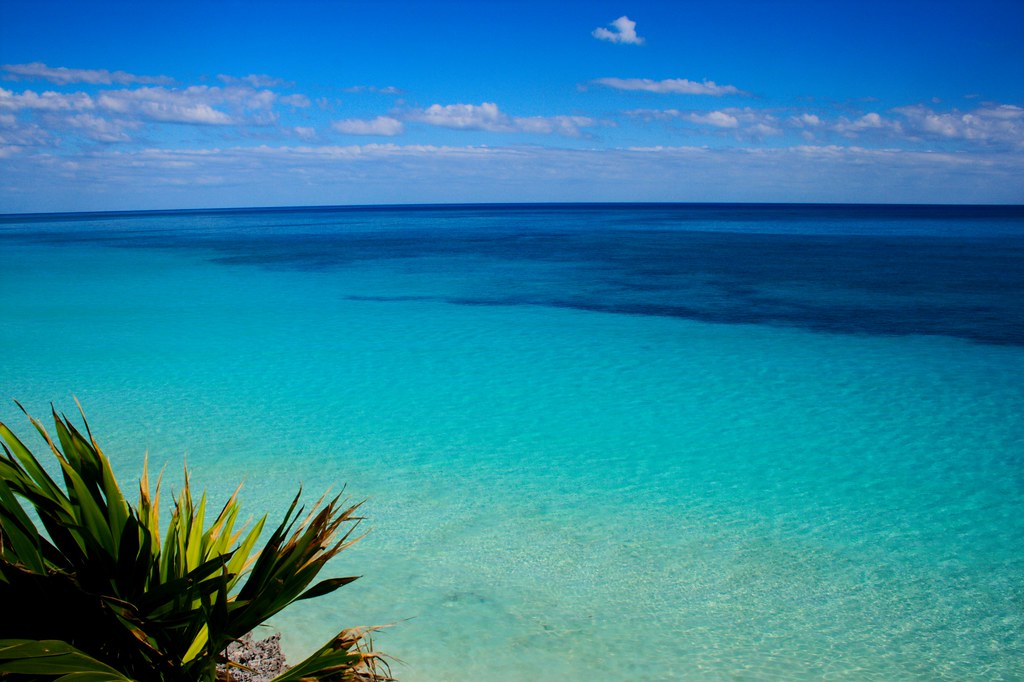
October offers ideal weather conditions across both Vanuatu and Fiji, with generally clear skies and moderate rainfall. — Photo: Esparta / Openverse (CC BY)
That rain-shadow effect is the real difference. Viti Levu's interior highlands split the island into a drier leeward west (Nadi, the Coral Coast's western end, the Mamanucas and Yasawas) and a far wetter windward southeast around Suva, where rain is common in any month. Vanuatu's islands are narrower, so the shadow is weaker — Espiritu Santo's ranges create some contrast between coasts, but Efate and Port Vila don't have a reliably "dry side" the way Nadi does.
Before you lock in dates, check the Fiji Meteorological Service and Vanuatu's Meteorology and Geo-Hazards Department for monthly rainfall averages at your specific destination, and read their advice on when the tropical cyclone season begins — commonly cited as starting in November across the region. Your experience of a shoulder month can fall very differently on Tanna than it does in the Yasawas.
Do Fiji and Vanuatu Really Share One Perfect Travel Window?
They overlap, but they aren't twins. Both sit in the South Pacific, both follow a broadly similar rhythm of a cooler, drier stretch and a hotter, wetter one, and both fall inside the region where meteorological agencies define a tropical cyclone season running roughly November through April. That shared calendar is why October gets talked up so often as the moment things line up. It's a reasonable rule of thumb — just not a guarantee, and worth checking against the Fiji Meteorological Service and the Vanuatu Meteorology and Geo-Hazards Department before you lock in dates.
The differences show up once you zoom in. Vanuatu stretches much further north to south than Fiji's main group, so Torba and Sanma provinces behave differently from Tafea in the far south. Fiji's own split between the drier western side around Nadi and the wetter windward east can matter more than the month you pick. Two travelers in the same week, one on Denarau and one in Suva, can come home with completely different stories about rain.
So treat late spring in the islands — which is building toward the southern summer heat — as a promising window rather than a perfect one. Book the right island for the experience you want, pack for a shower or two, and you can enjoy the trip without betting everything on one month. Staying connected with an eSIM means live forecasts travel with you, wherever you land.
Month-by-Month Comparison: Rainfall, Temperature, Humidity and Cyclone Risk
Rather than quote figures we can't trace to a source, the table below sketches the direction each variable moves across the year. Before you lock in dates, cross-check the monthly averages published by the Fiji Meteorological Service and Vanuatu's Meteorology and Geo-Hazards Department, which list rainfall and temperature by station — Nadi and Suva differ sharply, as do Port Vila and Sola.
Period | Rainfall | Temp & humidity | Cyclone status |
|---|---|---|---|
Nov–Dec | Rising | Hot, sticky | Official season open (from 1 Nov) |
Jan–Feb | Peak wet | Hottest, highest humidity | Historically most active |
Mar–Apr | Easing late | Warm, humid | Season runs to 30 Apr |
May–Jun | Declining | Mild, drier air | Outside official window |
Jul–Aug | Driest in west Fiji | Coolest, breezy trades | Outside official window |
Sep–Oct | Low, slowly rising | Warming, still comfortable | Outside official window |
Two caveats worth holding onto. First, the South Pacific cyclone season is defined as 1 November to 30 April, but that's an administrative window, not a guarantee — out-of-season systems have formed, so travel insurance matters whatever the month. Second, Fiji's leeward resort strip around Nadi and the Mamanucas is far drier year-round than Suva's windward coast, and Vanuatu's northern islands run wetter than Efate.
Read the table as a planning prompt, not a verdict. A good approach: pick your island group first, then pull that station's actual monthly data.
What Is the Weather Actually Like in October in Fiji and Vanuatu?
In broad terms, October sits late in the drier, cooler half of the year for both island groups and early in the warm-up toward the humid months. Expect daytime warmth that feels tropical rather than oppressive, sea temperatures comfortable enough for long snorkeling sessions without a wetsuit, and trade winds that ease the humidity on exposed coasts. Rain patterns vary sharply by location: Fiji's Coral Coast and Mamanucas sit in the drier leeward rain shadow, while Suva and the windward side of Viti Levu stay green for a reason. In Vanuatu, Espiritu Santo and Efate usually feel wetter and stickier than Fiji's western resorts at the same time of year.
Why is October considered as the best?
Travelers often favor it because it tends to combine settled weather with lower visitor numbers than the July school-holiday peak and the December rush. Dive visibility is frequently good, humidity has not yet peaked, and resort availability is generally easier. That's a pattern, not a promise — confirm current conditions with the Fiji Meteorological Service and the Vanuatu Meteorology and Geo-Hazards Department before you commit to dates.
What is the warmest place in the US in October?
If you're comparing options, southern Arizona desert cities like Yuma and Phoenix typically record the hottest October daytime temperatures in the continental US, with South Florida, the Florida Keys and Hawaii staying warm and humid.
For 2025 trips, check forecasts about ten days out and pack a light rain shell regardless of where you land.
Crowds, Flight Prices and School Holidays From New Zealand and Australia
Whatever the weather does, your trip is shaped just as much by when everyone else flies. October sits between the Australian and New Zealand mid-year rush and the December–January peak, which is a big part of why the month gets talked about as a sweet spot — it's a scheduling story as much as a climate one. The catch is the first half: New Zealand's Term 3 break and most Australian states' September–October school holidays spill into early October, so resorts in the Mamanucas, Denarau and Coral Coast can feel noticeably busier than the back half of the month.

Airport crowds and flight schedules fluctuate seasonally, with October offering a relative lull between major school holiday periods. — Photo: jlcwalker / Openverse (CC BY)
Dates shift year to year and state by state, so check your own calendar before booking. As a rough pattern, New Zealand schools take roughly two weeks from late September, Australian states stagger their Term 3 holidays across late September into mid-October, and Western Australia often runs latest. Add Labour Day long weekends — the first Monday of October in NSW, SA and the ACT, the fourth Monday in New Zealand — and you get three or four distinct spikes in demand rather than one steady month.
Fares tend to follow those spikes. Nadi has the deepest schedule from Auckland, Sydney, Brisbane and Melbourne, so prices usually soften once the holiday blocks end. Port Vila runs far fewer seats, meaning less fare movement and quicker sell-outs. If crowds matter to you, the last ten days of October are typically the quietest window for both places.
When Is the Best Time to Visit for Diving, Surfing, Hiking and Festivals?
The honest answer is that there's no single best month for everything — the right time depends on what you want to do. Divers generally chase the drier, calmer stretch of the year, when run-off is lower and visibility on sites like Fiji's Rainbow Reef and Beqa Lagoon, or the SS President Coolidge wreck off Espiritu Santo, tends to be at its clearest. Operators in the Yasawas typically run their manta snorkelling around the middle of the year, so check directly with the resort you're booking rather than assuming a fixed window.
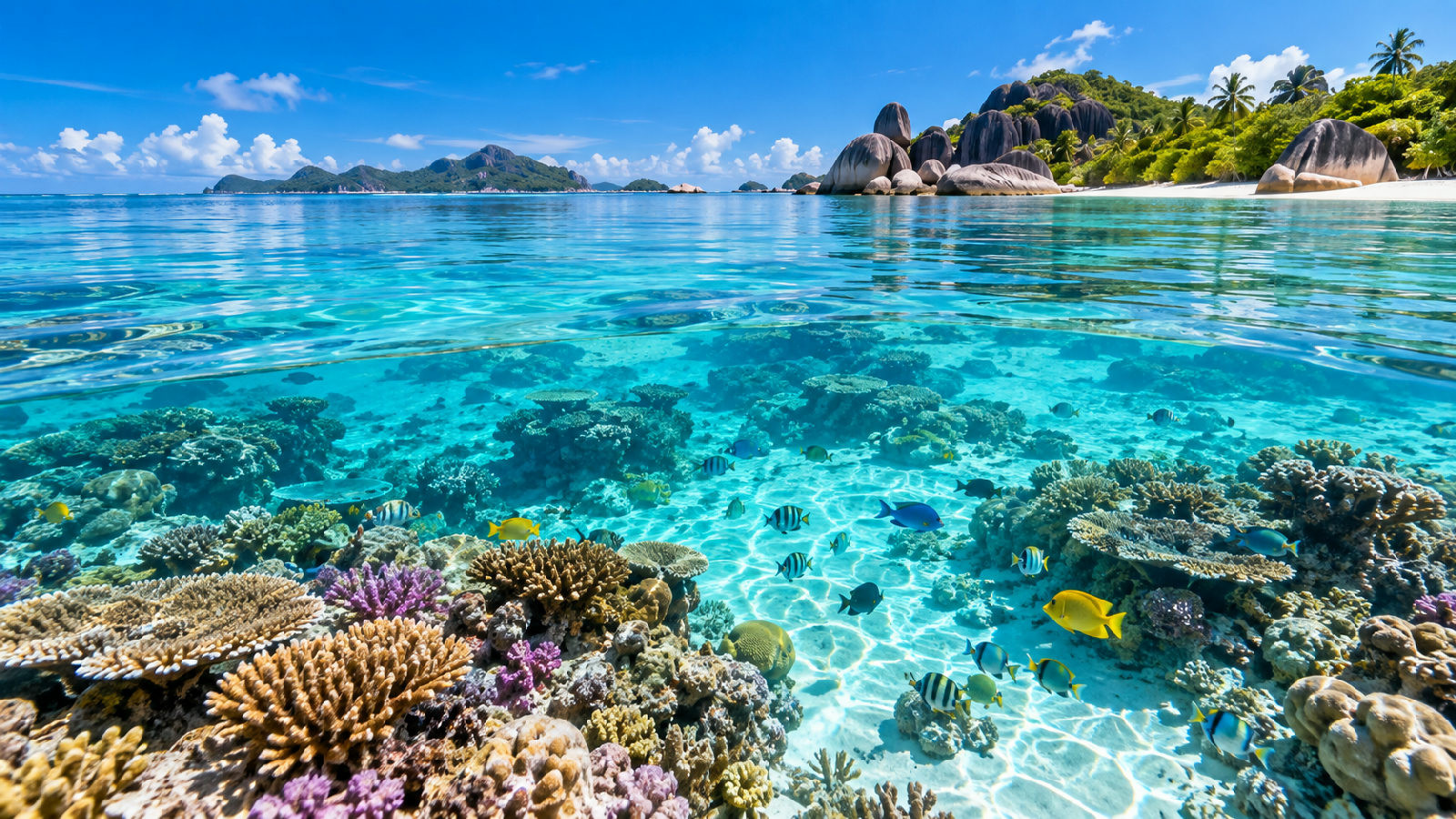
October offers optimal diving conditions with calm seas and clear visibility in tropical waters.
Surfers work to a different calendar. Fiji's reef breaks off Tavarua and Namotu rely on southern-hemisphere swell, which is most consistent through the southern winter and early spring, while Vanuatu's north-facing breaks near Port Vila often come alive when the wind swings around later in the year. Hikers should think about ground conditions: the Lavena Coastal Walk on Taveuni and Millennium Cave on Santo are far less pleasant after heavy rain, and river crossings can close them outright. Tanna's Mount Yasur is walkable year-round, but access depends on the current volcanic alert level.
Culture may decide your dates for you. Pentecost Island's naghol land diving runs in a short seasonal window tied to the yam harvest, Fiji Day falls on 10 October, and Diwali shifts with the lunar calendar. The best places for your trip are the ones whose calendar matches yours — confirm dates with Tourism Fiji and the Vanuatu Tourism Office before booking flights.
Who Should Skip October: Trade-Offs and Better Months for Your Trip Style
October doesn't suit everyone, and treating one month as the automatic answer can cost you money or the exact experience you flew for. Budget travelers are the clearest example: late September and October overlap with school holiday periods in New Zealand and several Australian states, which typically pushes airfares and resort rates up and fills family-friendly properties first. If your dates are flexible and you're not tied to the school calendar, the shoulder weeks either side — late May, June, or the back half of November — often leave you with the same islands and more room at the buffet.

Peak season crowds at tropical resorts can inflate prices and reduce comfort during popular travel months.
Surfers and divers have their own calendars that don't always line up with general "good weather" advice. Southern swell windows, water temperature, plankton blooms and visibility all shift through the months, and conditions off Vanuatu's outer islands can differ noticeably from Fiji's Mamanuca and Yasawa breaks on the same date. If a specific wave, wreck or manta site is the whole point of the trip, build your dates around the operator's advice for that site rather than around a month.
Festival chasers, hikers and anyone planning time in Port Vila or Suva should also check local event calendars first — a national day, a village ceremony or a city-based arts week can be worth shifting your trip by weeks. And whatever month you pick, confirm current cyclone season dates with the Fiji Meteorological Service and the Vanuatu Meteorology and Geo-hazards Department before you book, since both destinations publish their own official windows.
How to Check Live Climate and Cyclone Data Before You Book
Averages tell you what a typical year looks like; they don't tell you what the next one will do. Before you lock in dates, spend twenty minutes with the agencies that actually issue the forecasts and warnings for this part of the Pacific. The Fiji Meteorological Service publishes daily forecasts, seasonal outlooks and, through its Nadi office, tropical cyclone advisories for a wide stretch of the South Pacific. Vanuatu's Meteorology and Geo-Hazards Department does the same for its own island groups, which matters because conditions around Espiritu Santo can differ noticeably from Tanna on the same day.
For the bigger picture, NIWA's monthly Island Climate Update summarises sea surface temperatures and rainfall outlooks across Pacific island nations, and the Australian Bureau of Meteorology tracks El Niño and La Niña status — the single biggest influence on how wet or warm a given season turns out and on where cyclones are more likely to track. Checking those two alongside the national met services gives you a far better read than any "best month" list.
Official season dates: confirm the current tropical cyclone season window with Fiji Met and VMGD rather than relying on travel blogs.
Government advisories: New Zealand's SafeTravel and Australia's Smartraveller post weather-related alerts.
Insurance timing: buy cover before a named system exists, or weather claims are usually excluded.
Do that, and you're booking on evidence rather than hope.
Packing and Planning for Tropical Weather Swings, Including Staying Connected
Whatever month you land in, Fiji and Vanuatu can hand you a bright morning and a heavy afternoon downpour on the same day. Pack for both: quick-dry shirts and shorts over cotton, a light rain shell rather than a bulky jacket, and reef-safe sunscreen plus a rash guard for long snorkel sessions. Reef shoes earn their space on rocky shorelines and lagoon entries, and a dry bag protects phones and passports on open boat transfers between islands. Humidity is the quiet troublemaker — clothes dry slowly, so a few extra shirts and a small pack of silica sachets for camera gear go a long way.
Plan the logistics with the same care. Both countries run on 240V with Type I plugs, the same as Australia and New Zealand, so Kiwi and Aussie travelers can skip the adapter. Download offline maps and your airline app before you leave, screenshot your accommodation transfer details, and keep a printed backup — many outer-island resorts have patchy power as well as patchy signal.
Connectivity matters most when plans shift: a delayed ferry, a rescheduled dive, or an official weather warning you need to see promptly. A Fiji eSIM , Vanuatu eSIM from SafarieSIM lets you arrive with data already active, so you can check forecasts, message your resort, and confirm bookings without hunting for a counter at Nadi or Bauerfield. If you're traveling in a shoulder period, that live information is worth having in your pocket from the moment you land.
A few questions come up again and again when people start to plan a Pacific trip around this time of year. Short answers below, with the caveat that any month-specific claim is worth checking against the Fiji Meteorological Service and the Vanuatu Meteorology and Geo-Hazards Department before you commit to dates.
Is October really the best month to visit Fiji or Vanuatu?
You'll see October widely considered the absolute sweet spot in travel writing, but that's a reputation rather than a verified ranking. It sits late in the drier half of the year for much of Fiji, and conditions vary a lot between Vanuatu's northern and southern islands. Compare the official monthly climate summaries for the specific island you're visiting rather than the country as a whole.
Do both countries have the same ideal window?
Not necessarily. They sit at different latitudes and their island groups behave differently, which makes a single shared "perfect month" hard to support. If you're combining both on one trip, look at each destination's data separately.
When does cyclone season officially start?
Both national met services publish official season dates and seasonal outlooks each year. Check those directly, and sign up for alerts from your home agency — MetService in New Zealand or the Bureau of Meteorology in Australia — before you travel.
Whatever month you land on, book flexible where you can, pack for sudden downpours, and keep your phone connected so forecasts and alerts reach you wherever you are.