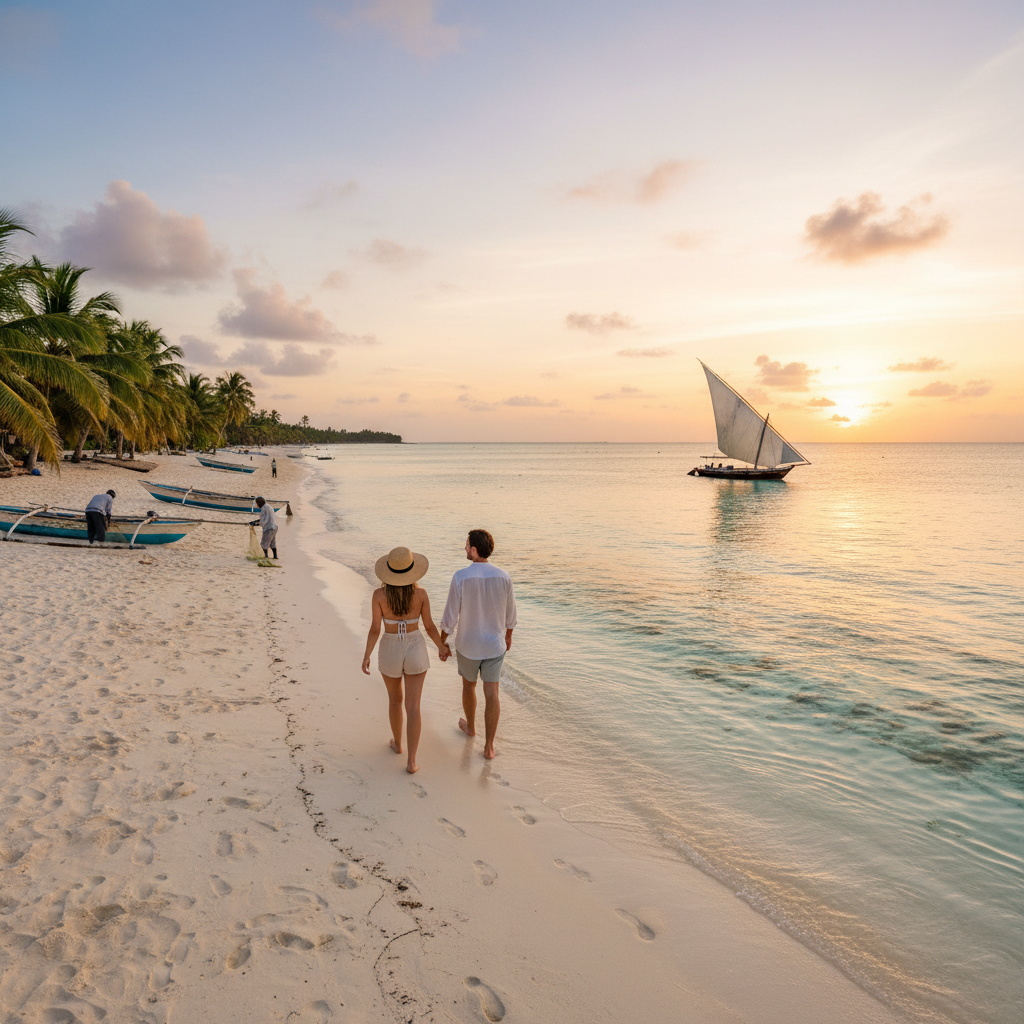
Why June is the Best Time to Visit Zanzibar
June marks the beginning of Zanzibar's dry season, making it one of the best months to visit the island. Unlike the rainy season months of March, April, and May, June offers consistently warm temperatures and minimal rainfall. The long rains have ended, and the peak tourist season hasn't fully arrived yet, meaning you'll experience perfect weather conditions without the crowds of July and August.
The island transitions from the wet season into the cooler dry season, offering ideal conditions for beach activities, diving, and exploring Stone Town. Early June can still see occasional showers as the rains taper off, but by mid-month, you'll enjoy long sunny days with comfortable temperatures and refreshing ocean breezes.
Zanzibar Weather in June 2026
Average highs 28°C, lows 22°C, sea around 26°C. Only 4–5 rain days all month and humidity drops sharply after the long rains. Steady afternoon breeze on the east coast — perfect for kitesurfing.
The weather in June is characterized by warm, sunny days with temperatures hovering around 28°C during peak daylight hours and cooling to a comfortable 22°C at night. These conditions make June an ideal month for spending entire days on the beach or exploring the island's attractions. Unlike the rainy months that precede it, June offers 8–9 hours of sunshine daily, giving you plenty of time to experience everything Zanzibar has to offer.
The sea temperatures in June remain warm at approximately 26°C, perfect for swimming, snorkeling, and diving without a wetsuit. The short rainy season is well behind, and the long dry season stretches ahead through September and October, making June the best time for beach-focused vacations.
Best Beaches in June
Paje (east): world-class kitesurfing, lively but laid-back
Nungwi (north): swimmable at all tides, sunset bars, dhow trips
Kendwa (north): quieter cousin of Nungwi, full-moon parties
Matemwe (northeast): launch point for Mnemba Atoll snorkelling
Pongwe (east): calm, family-friendly, beautiful lagoons
Best Beaches in Zanzibar in June: Detailed Guide
Paje Beach on the east coast is the kitesurfing capital of Zanzibar, with consistent winds throughout the dry season months. June through September is peak season for kiting, with the afternoon breeze building to 15–20 knots most days. The wide lagoon offers safe conditions for beginners, while experienced kiters can head to the outer reef. Beyond kitesurfing, Paje is home to excellent beach restaurants, yoga studios, and a vibrant backpacker scene. The beach itself stretches for kilometers, offering plenty of space even during busier periods.
Nungwi Beach in the north is one of the best beaches for swimming at any tide, as the water stays deep enough around the clock. This makes it perfect for visitors who want flexibility in their beach days without worrying about tidal schedules. Nungwi offers sunset dhow cruises that depart daily, taking you around the northern tip of the island with drinks and snacks. The village has developed into Zanzibar's liveliest beach destination, with numerous bars, restaurants, and diving centers, yet still maintains its charm.
Kendwa Beach sits just south of Nungwi and offers similar swimming conditions but with a more relaxed atmosphere. The beach is famous for its full-moon parties and is generally quieter during the day. Kendwa is the best choice for travelers seeking a balance between amenities and tranquility. The sunset views here are spectacular, with unobstructed horizons perfect for evening photography.
Matemwe Beach is the gateway to Mnemba Atoll, Zanzibar's premier diving and snorkeling destination. The beach itself is peaceful and traditional, with local fishermen launching their dhows in the early morning hours. Most visitors use Matemwe as a base for day trips to Mnemba, but the beach offers its own rewards with excellent swimming conditions during high tide and tidal pools to explore when the water recedes.
Pongwe Beach remains one of Zanzibar's best-kept secrets, offering pristine conditions away from the more developed areas. The beach features stunning turquoise lagoons that form at low tide, creating natural swimming pools perfect for families with young children. The surrounding palm groves provide natural shade, and the handful of small resorts maintain the area's peaceful character.
Top Activities in Zanzibar During June
Snorkel or dive Mnemba Atoll — turtles, reef sharks, dolphins
Spice-farm tour from Stone Town (clove, cardamom, vanilla)
Sunset dhow cruise from Kendwa or Nungwi
Stone Town walking tour — Forodhani night market, Old Fort, slave chambers
Jozani Forest red colobus monkey trek
Kitesurfing lessons in Paje (June–September is peak)
Diving and Snorkeling in June
June offers some of the best diving conditions in Zanzibar, with visibility often reaching 20–30 meters around Mnemba Atoll. The calm sea conditions during the dry season make it the perfect time for both beginners and experienced divers to explore the island's underwater world. Mnemba Atoll consistently delivers encounters with green turtles, hawksbill turtles, schools of barracuda, and occasionally whale sharks and humpback whales passing through on their migration routes.
Diving sites around Zanzibar cater to all experience levels. The shallow reefs around Nungwi and Kendwa offer easy dives for certification courses, while the walls and drift dives at Mnemba challenge advanced divers. Most dive centers offer two-tank dives departing early morning, with boats returning around midday, leaving your afternoons free for beach activities or exploring.
Snorkeling trips to Mnemba depart from Matemwe Beach daily, with morning departures offering the best conditions before winds pick up. These trips typically last 3–4 hours and include equipment, guides, and fresh fruit. The coral gardens around Mnemba teem with tropical fish, octopus, moray eels, and sea turtles. Book at least one day in advance during June, as boats have limited capacity.
Cultural Experiences and Island Exploration
Stone Town, Zanzibar's historic heart and a UNESCO World Heritage Site, deserves at least two full days of exploration. The narrow alleyways reveal centuries of Swahili, Arab, Persian, and European influences. Early morning hours before 10 AM offer the best experience, with cooler temperatures and fewer crowds. Visit the Old Fort, House of Wonders, Palace Museum, and the former slave market to understand the island's complex history.
Spice farm tours showcase Zanzibar's identity as the "Spice Island," with most tours lasting around 3 hours. You'll see clove, cinnamon, cardamom, vanilla, and nutmeg growing, learn about their traditional uses, and sample fresh tropical fruits. These tours run year-round, but the dry season months from June through October offer more comfortable conditions for walking through the plantations.
Jozani Forest, home to the endangered red colobus monkey found only in Zanzibar, makes an excellent half-day trip. The best time to visit is early morning when the monkeys are most active and temperatures are cooler. The boardwalk trail through the mangrove swamps takes about an hour, and guides are mandatory but highly informative about the forest ecosystem.
Where to Stay
Luxury: Zuri Zanzibar, Xanadu Villas, &Beyond Mnemba Island
Mid-range: The Loop Beach Resort, Sharazad Boutique Hotel
Budget: Demani Lodge, Lost & Found Hostel Paje
June falls just before peak season, so accommodation rates remain reasonable while weather conditions are already perfect. Booking 2–3 months in advance secures the best rates and ensures availability at popular properties. Most beach resorts offer all-inclusive packages, though many travelers prefer half-board (breakfast and dinner) to experience local restaurants.
The east coast beaches (Paje, Matemwe, Pongwe) offer the best value, with a wide range of guesthouses and boutique hotels at mid-range prices. The north coast (Nungwi, Kendwa) commands premium rates due to its swimmable-at-all-tides advantage and developed nightlife. Stone Town provides the best budget accommodation and puts you closest to the ferry port and airport, making it ideal for shorter stays or as a base for day trips around the island.
Connectivity & Data
Zanzibar has full 4G/LTE coverage across all main beaches and Stone Town via Vodacom Tanzania. A Safari eSIM works the moment you land at ZNZ airport — no need to queue for a local SIM or register biometrics. Many visitors pair a few beach days here with a mainland Tanzania safari — the same eSIM profile covers both legs of the trip.
June 2026 Travel Tips
Book Mnemba dives 1–2 days ahead — boats fill quickly
Cash in Tanzanian shillings for markets; USD for hotels
Ramadan ends in early 2026 — restaurant hours are normal in June
Yellow-fever certificate required if connecting via mainland Tanzania from a YF country
Pack reef-safe sunscreen as many marine protected areas around Zanzibar prohibit chemical sunscreens that damage coral. Light, breathable clothing in natural fabrics works best in the warm, humid conditions. A light rain jacket for the occasional June shower and a sarong for covering up when visiting Stone Town or religious sites are essential items.
Most hotels and restaurants accept major credit cards, but smaller establishments, markets, and street food vendors require cash. ATMs are widely available in Stone Town and Nungwi but less common on the east coast beaches. Carrying a mix of US dollars and Tanzanian shillings ensures you're prepared for any situation.
Zanzibar Climate Overview: Understanding the Seasons
Zanzibar's tropical climate features two distinct rainy seasons and two dry seasons throughout the year. Understanding these patterns helps you choose the best time to visit Zanzibar based on your priorities.
The long rains typically run from March through May, with April being the wettest month. During this period, afternoon downpours are common, humidity peaks, and some beach hotels close for renovations. The short rains arrive in November and December, bringing brief showers that rarely disrupt activities.
The dry season is split into two periods: June through October and January through February. The June-to-October dry season offers the most consistent weather, with September and October delivering particularly perfect conditions as temperatures warm up before the short rains. January and February also experience excellent weather, though these months fall within peak season, meaning higher prices and larger crowds.
Month-by-Month Weather Guide for Zanzibar
January in Zanzibar
January is peak tourist season on the island, with warm temperatures around 30°C and minimal rain. The dry season is in full swing, making it one of the best months for beach holidays, diving, and island exploration. Hotels charge premium rates, and popular beaches like Nungwi and Kendwa see the highest visitor numbers of the year. Book well in advance to secure preferred accommodations.
February in Zanzibar
February continues the dry, warm conditions of January with temperatures remaining around 29–30°C. This month represents the final weeks of peak season before a brief transition period. The weather stays perfect for all beach activities, and diving conditions remain excellent. Late February may see the first scattered showers as the island transitions toward the long rainy season.
March in Zanzibar
March marks the beginning of the long rainy season, with increasing rainfall as the month progresses. Early March can still offer decent weather with only occasional showers, but by mid-month, regular afternoon rains become common. Temperatures remain warm at 28–29°C, and humidity increases noticeably. This is the beginning of low season, with reduced rates at most hotels but less reliable beach weather.
April in Zanzibar
April is the wettest month in Zanzibar, with frequent rain and high humidity. While not the best time to visit for beach vacations, the island turns lush and green, and you'll find the lowest accommodation rates of the year. Some resorts close for annual maintenance during this month. Diving is still possible on calm days, but visibility decreases due to runoff and plankton blooms.
May in Zanzibar
May sees the long rains begin to taper off, though the month remains quite wet, especially in the first half. Late May marks the transition toward the dry season, with improving conditions and fewer rainy days. This is still considered low season, offering excellent value for travelers who don't mind occasional showers. The island is quieter, and those who visit often have beaches largely to themselves.
June in Zanzibar
June is one of the best months to visit Zanzibar, combining excellent weather with reasonable prices before peak season fully arrives. The long rains have ended, humidity drops, and temperatures settle into a comfortable range around 28°C. Diving and snorkeling conditions improve dramatically as visibility increases. This month offers the sweet spot of perfect weather without peak-season crowds or prices.
July in Zanzibar
July marks the heart of the dry season and is one of the most popular months to visit the island. Warm days with minimal rain, consistent winds for kitesurfing, and excellent diving conditions make it ideal for active beach holidays. July falls within the European summer holiday period, so expect more visitors and higher accommodation rates, particularly at resorts in Nungwi, Kendwa, and Paje.
August in Zanzibar
August continues the excellent dry season conditions of July, with warm temperatures around 27°C and almost no rain. The cooler, drier air of the dry season peaks this month, making it one of the most comfortable times weather-wise. Diving visibility reaches its best, and kitesurfing conditions remain perfect on the east coast. Peak season pricing continues through August.
September in Zanzibar
September offers some of the best overall conditions of the year, with perfect weather and thinning crowds as European schools reopen. Temperatures begin warming back toward 28–29°C, but rain remains scarce. The month represents excellent value as hotels lower rates while weather conditions stay ideal. This is an underrated month that deserves consideration for anyone seeking the best time to visit Zanzibar without peak-season prices.
October in Zanzibar
October closes out the long dry season with increasingly warm temperatures and the first hints of the approaching short rains. Early October still offers excellent beach weather and good diving conditions, while late October may see scattered showers. The month sits in the shoulder season between the long dry season and short rains, offering moderate prices and fewer visitors while weather remains largely favorable.
November in Zanzibar
November brings the short rains to Zanzibar, though these are far less intense than the long rains of March through May. Expect brief afternoon or evening showers that rarely last more than an hour or two. Temperatures remain warm at 28–29°C, and many days feature beautiful morning weather followed by a quick rain burst. This is low season, with significantly reduced rates and very few tourists around the island.
December in Zanzibar
December sees the short rains taper off, especially in the latter half of the month. Early December can still be quite wet, but by mid-month, conditions improve rapidly. The end of December marks the beginning of peak season as Christmas and New Year holidays bring international visitors. Hotels raise rates for the holiday period, and advance booking is essential. Weather conditions by late December are already excellent, with warm temperatures and minimal rain.
Planning Your Zanzibar Beach Holiday: Practical Considerations
A week to ten days is ideal for a first visit to Zanzibar, giving you enough time to experience multiple beaches, explore Stone Town, visit a spice farm, and dive or snorkel around Mnemba. Many visitors split their time between two beaches — often pairing the east coast (Paje or Matemwe) with the north coast (Nungwi or Kendwa) to experience different vibes and conditions.
Most international visitors arrive via Julius Nyerere International Airport in Dar es Salaam, then take a short connecting flight (20–30 minutes) to Zanzibar's Abeid Amani Karume International Airport. Direct international flights also serve Zanzibar from major hubs in Europe, particularly during the dry season months. The airport sits about 7 km from Stone Town, with taxis taking around 20 minutes to reach the city center.
Getting around the island is straightforward with several options. Rental cars with drivers cost around $50–80 per day and offer the most flexibility for exploring. Dalla-dallas (local minibuses) connect all major towns and beaches for under $2 per trip but run on unpredictable schedules. Many hotels arrange airport transfers and can book day trips to major attractions. For stays on the east coast, most visitors arrive at their resort and remain there for the duration, taking organized tours for activities elsewhere on the island.
Frequently Asked Questions
Which is better, Maldives or Zanzibar?
Zanzibar offers far better value and cultural richness compared to the Maldives, while the Maldives delivers more pristine beaches and luxury resorts. Zanzibar costs roughly one-third as much for similar quality accommodations, provides easy access to fascinating historical sites like Stone Town, and offers diverse activities beyond beaches including spice tours and forest treks. The beaches in Zanzibar are excellent but not quite as pristine as Maldives' best islands. Maldives is best for pure luxury beach escapes with minimal activities beyond water sports, while Zanzibar suits travelers wanting to combine beaches with culture, adventure, and exploration at more accessible prices.
Can a woman wear shorts in Zanzibar?
Yes, women can wear shorts in Zanzibar at beach resorts and on the beaches themselves without issue. However, when visiting Stone Town, villages, or any area away from tourist beaches, it's respectful to dress more conservatively. In Stone Town and local areas, women should cover shoulders and wear clothing that reaches at least to the knees. Many female travelers carry a sarong or light pants to throw on when leaving the beach. Zanzibar is predominantly Muslim, and while locals are accustomed to tourists, modest dress outside beach areas shows cultural respect and helps avoid unwanted attention.
Is it safe for Americans to travel to Tanzania right now?
Yes, Zanzibar and Tanzania's main tourist areas are generally safe for American travelers. The US State Department maintains a Level 2 advisory (Exercise Increased Caution) for Tanzania, which is the same level as France, Germany, and the UK. Zanzibar specifically has a good safety record for tourists. Common-sense precautions apply: avoid displaying expensive jewelry or electronics, use official taxis or hotel transfers rather than unmarked vehicles, and stay in well-traveled tourist areas after dark. Violent crime against tourists is rare, though petty theft and pickpocketing occur in busy areas like Stone Town markets. Many Americans visit Tanzania and Zanzibar each year without incident for both safari and beach holidays.
Is Zanzibar cheap or expensive?
Zanzibar is moderately priced compared to other tropical beach destinations, significantly cheaper than the Maldives or Seychelles but more expensive than mainland Southeast Asia. Budget travelers can get by on $30–50 per day staying in hostels, eating local food, and using dalla-dallas. Mid-range travelers typically spend $100–150 per day for decent hotels, restaurant meals, and organized activities. Luxury resorts and experiences can easily exceed $300–500 per day. The best value comes from visiting during shoulder season months like June or September when rates drop 30–40% compared to peak season (December–February and July–August) while weather conditions remain excellent. Local food and transport are very affordable, while diving, resort accommodations, and tourist restaurants reflect international pricing.