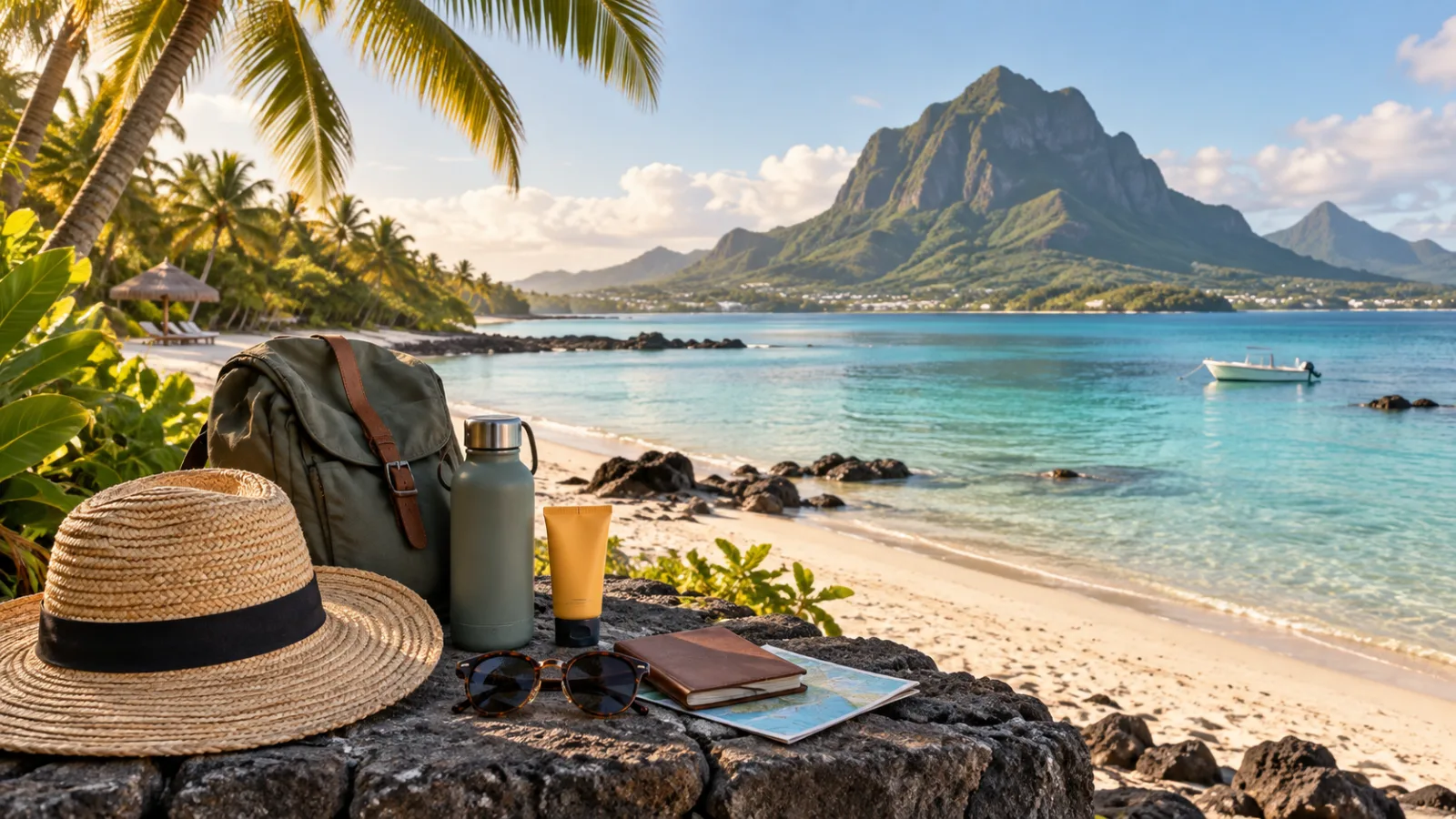
Essential Travel Tips for Mauritius — Mauritius rewards travelers who plan ahead. This island in the Indian Ocean combines turquoise lagoons, volcanic peaks, and multicultural towns, but a few practical steps—securing reliable connectivity, timing your beach visits, and understanding local customs—will transform a good trip into an exceptional one. Whether you're exploring Mauritius for the first time or returning to discover new corners of the island,
Essential Travel Tips for Mauritius — Mauritius rewards travelers who plan ahead.
Whether you're exploring Mauritius for the first time or returning to discover new corners of the island,
this guide will help you make the most of your time.
The best months to visit Mauritius are May through December, when daytime temperatures stay between 20–25°C (68–77°F) and rainfall drops below 60mm per month.
Tap water is treated to WHO standards and safe to drink across the island, though bottled options cost 25–50 rupees at local shops.
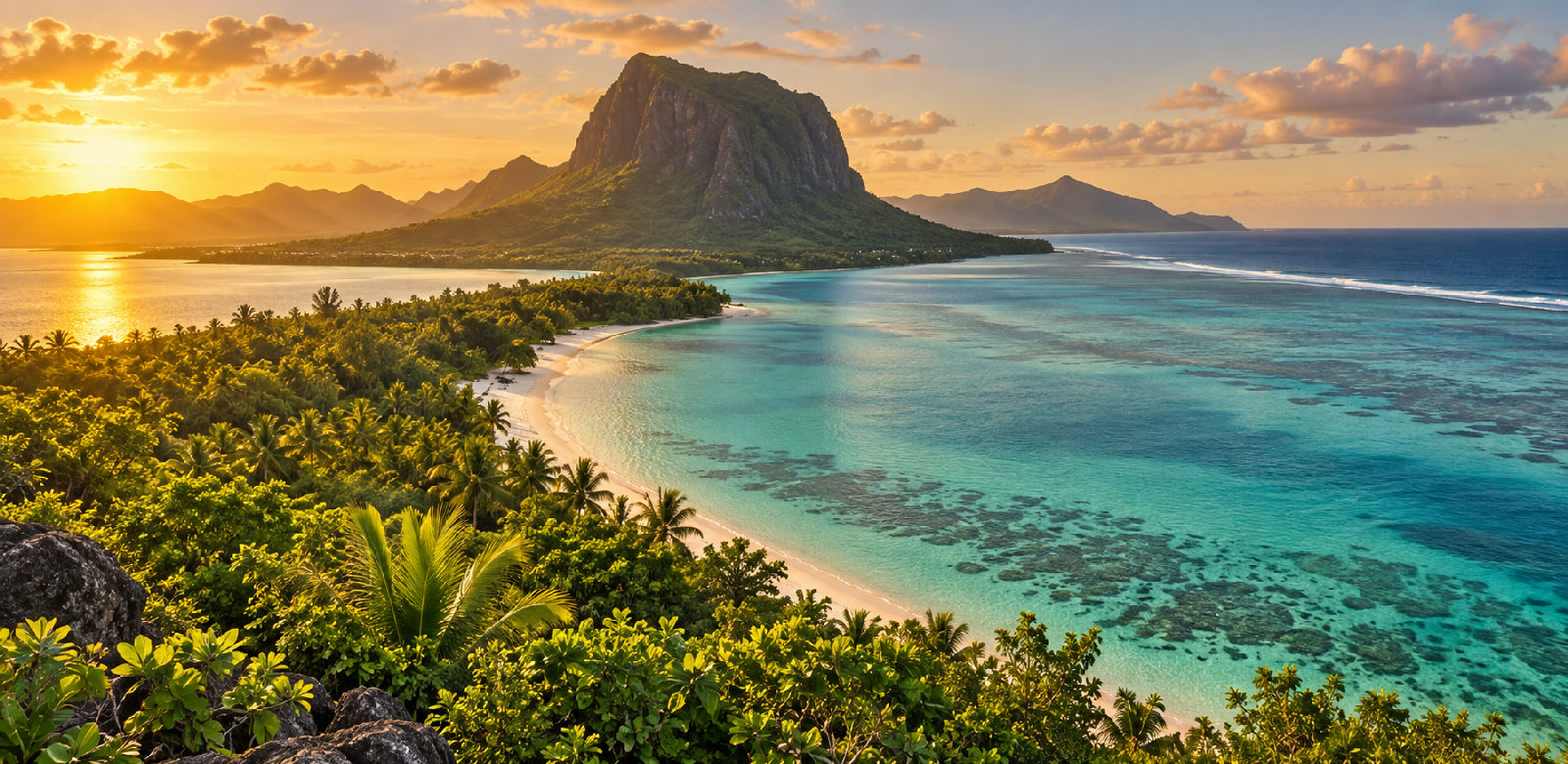
Mauritius combines lagoon beaches, lush interiors, and volcanic scenery.
this guide will help you make the most of your time.
The best months to visit Mauritius are May through December, when daytime temperatures stay between 20–25°C (68–77°F) and rainfall drops below 60mm per month. Tap water is treated to WHO standards and safe to drink across the island, though bottled options cost 25–50 rupees at local shops. Most Mauritian beaches are public by law, so you can explore many stretches beyond your hotel without restriction.
This guide covers connectivity solutions for staying online, transportation between regions, currency and tipping norms, and how to navigate the island's blend of French, Creole, and English influences. Whether you're island-hopping to Île aux Cerfs or hiking through Black River Gorges, these tips will help you move confidently from arrival to departure and enjoy all the activities Mauritius has to offer.
Plan Your Mauritius Trip: Weather, Regions, and Ideal Length of Stay
Mauritius has two seasons: a humid summer from November to May and cooler temperatures from June to October and a cooler season from June to October. The cooler months (May to December) bring temperatures between 20–25°C and less rain—perfect for beach days and hiking. January to April is hotter and humid, with occasional cyclones between January and March. If you're chasing calm water for snorkeling in Mauritius, visit the west coast; the east offers consistent trade winds ideal for kitesurfing.
The island splits into distinct zones: the lively north around Grand Baie for nightlife and water sports, the sheltered west coast with Le Morne's dramatic peak and calm lagoons, the rugged south for waterfalls and local fishing villages, and the east for long stretches of beautiful white sand at Belle Mare and Trou d'Eau Douce. Port Louis, the capital, sits centrally and gives you a taste of Mauritian street food and markets.
A week lets you cover the main beaches and a few inland sites. Ten days gives breathing room to explore quieter corners of Mauritius, try local cuisine beyond the resorts, and island-hop to Île aux Cerfs without rushing. Many travelers find that this extra time allows them to experience both the popular attractions and hidden gems.
Pack for Mauritius: Beach Essentials, Rain Gear, and Day-to-Night Clothing
Mauritius demands a versatile packing list. Bring reef-safe sunscreen rated SPF 50 or higher—the tropical UV index regularly hits 11+ between November and March. Pack a rash guard or lightweight long-sleeve swim shirt for extended snorkeling sessions at Blue Bay or Trou aux Biches, where shallow coral sits just below the surface.
The island's microclimates mean sudden rain, especially in the central plateau around Black River Gorges. A packable rain jacket and quick-dry shorts handle afternoon showers without taking up luggage space. For evenings, Mauritian beach clubs and resort restaurants expect smart-casual attire—linen trousers or a sundress work better than swimwear cover-ups.
Water shoes with grip soles are essential for volcanic rock beaches on the south coast near Gris Gris. Don't forget a waterproof phone pouch for boat trips to Île aux Cerfs and a portable power bank, since beach days drain batteries fast. Local SIM cards or travel connectivity options keep you connected when exploring remote northern beaches.
Respect Local Culture: Mauritius Do's, Don'ts, and Dress Etiquette
Mauritius is a multicultural island where Hindu, Muslim, Christian, and Buddhist communities live side by side. Remove your shoes before entering temples and mosques, and cover shoulders and knees when visiting religious sites. On the beach, swimwear is perfectly acceptable, but walking through Port Louis or local villages in beachwear is considered disrespectful.
Mauritian culture values politeness and modesty. Greet locals with a smile and a simple "bonjour" or "bonzour" in Creole. Public displays of affection are frowned upon, especially outside resort areas. When invited to a Mauritian home, bring a small gift such as pastries or fruit, and always accept offers of tea or food—it's a sign of respect.
Avoid pointing with your index finger; use an open hand instead. Photography inside temples and mosques requires permission, and photographing people without asking is impolite. Tipping is appreciated but not mandatory; 10% is standard in restaurants if service isn't included.
Choose Where to Stay: Best Beaches, Resorts, and Local Areas
The west coast of Mauritius offers calm water and dramatic sunsets, making Flic-en-Flac and Tamarin popular with families and surfers. Grand Baie in the north draws travelers looking for nightlife, shopping, and easy access to catamaran tours. For quieter beaches and authentic Mauritian village life, head to the east coast around Belle Mare or Trou d'Eau Douce, where the lagoon stretches wide and shallow. Visitors staying less than 60 days do not need a visa, but need a valid passport and return ticket.
Resorts cluster along the coastline in Mauritius, but guesthouses and small hotels in towns like Mahébourg or Chamarel give you closer contact with local culture and lower rates. If you plan to visit multiple regions, base yourself centrally near Curepipe or Quatre Bornes, though you'll trade beach access for shorter drives to hiking trails and markets.
Book coastal stays well ahead during European winter holidays. Inland options fill up slower and cost less year-round.
Mauritius rewards visitors who venture beyond the popular spots. Beautiful hidden coves like Pointe d'Esny and Le Morne Public Beach offer uncrowded sand and turquoise water, while the less-traveled south coast near Souillac delivers dramatic cliffs and authentic fishing villages. Even the busiest resort areas have quiet corners—early morning walks along Flic-en-Flac or late afternoon at Mont Choisy reveal a different rhythm. These little detours add texture to your trip: a roadside dholl puri stand, a temple tucked into sugarcane fields, or a conversation with a Mauritian family at the Sunday market. The most memorable things often happen when you slow down and explore at ground level rather than racing between landmarks. Keep in mind that value added tax (VAT) of 15 percent may be included in hotel and restaurant bills or charged separately, so check your bill carefully when budgeting for meals and accommodations.
Get Around the Island: Transportation Options, Driving Tips, and Day Trips
Renting a car gives you the freedom to explore Mauritius at your own pace. Drive on the left, watch for sudden speed bumps in villages, and budget about 90 minutes to cross from Port Louis to the southeast coast. Roads along the coast are generally well-maintained, but mountain routes to viewpoints like Chamarel can be narrow and winding.
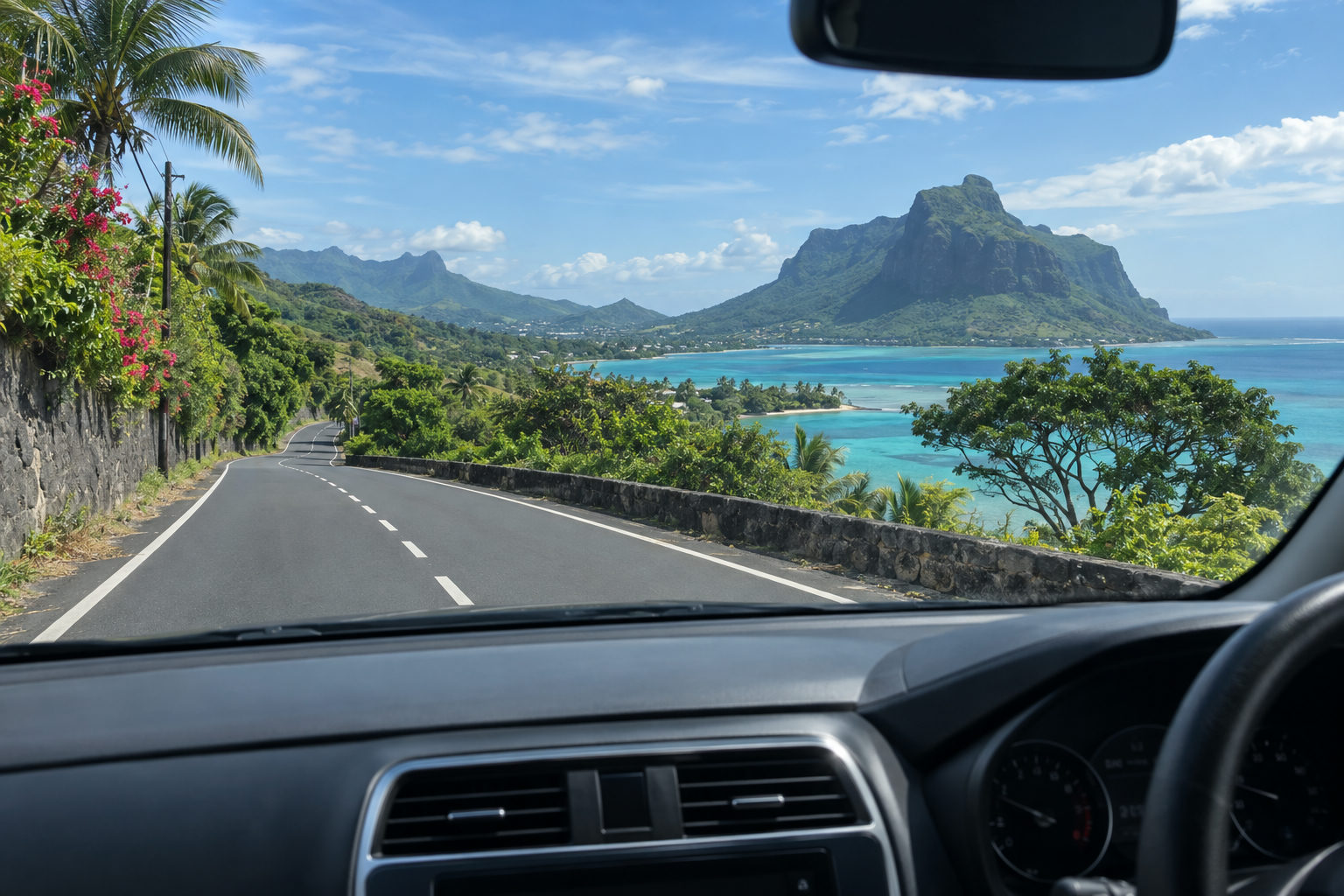
A rental car makes it easier to explore Mauritius beyond the resort areas.
Taxis are metered in most areas, though agreeing on a flat rate for day trips often works out cheaper—expect to pay around 2,500–3,000 rupees (approximately $55–$65 USD) for a full-day private tour. Public buses connect all major towns and cost under 50 rupees per ride, but they're slow and crowded during peak hours.
The best day trips take you to Île aux Cerfs by catamaran, the Seven Coloured Earth in Chamarel, or the northern islands for snorkeling. Book boat trips through your hotel or local operators in Grand Baie. Staying connected while you travel makes navigation and booking on the go much easier—consider an eSIM for Mauritius to avoid hunting for local SIM cards at the airport.
Stay Connected in Mauritius With a Travel eSIM
Reliable mobile data transforms how you travel in Mauritius. You'll want live maps for navigating between Port Louis, Grand Baie, and remote beaches, restaurant booking apps that most Mauritian venues use, and instant access to boat tour operators when weather windows open. A good connection makes coordinating activities and day trips much easier. VAT in Mauritius is 15% and is either included in or charged separately on hotel and restaurant bills. Local SIM cards require a passport, queuing at shops in town, and topping up credit at outlets that close by 6 PM.
A travel eSIM installs before you leave home and activates the moment you land in Mauritius. You keep your home number for banking alerts and two-factor codes while data runs through the Mauritian network. Plans start around $4–$8 USD for 1GB for short stays; 3–5GB plans ($12–$20 USD) cover a week if you're uploading beach photos and streaming music on drives around the island. Coverage reaches all resort areas, coastal roads, and the interior plateau—only the most remote hiking trails in Black River Gorges lose signal. These little details make a real difference when you're coordinating day trips or finding your way to hidden beaches.
Set it up the night before departure so you're online when the taxi drops you at your hotel and the front desk asks for your booking confirmation.
What to Eat and Drink: Mauritian Dishes, Markets, and Water Safety
Mauritian cuisine blends Indian, Creole, Chinese, and French influences into dishes you won't find anywhere else. Start with dholl puri—a thin flatbread stuffed with ground yellow split peas and served with bean curry, pickles, and chutneys—sold by street vendors for around 25–30 rupees ($0.55–$0.65 USD). Try gateaux piments (chili fritters), mine frite (stir-fried noodles), and octopus curry at local markets like Port Louis Central Market or Mahebourg waterfront.
Tap water is treated and generally safe to drink in hotels and resorts, but many travelers stick to bottled water to avoid any stomach upset, especially when visiting remote beaches or rural areas. Local rums—particularly those from Chamarel Distillery—are worth sampling, and fresh coconut water is sold along nearly every beach for 50–100 rupees ($1–$2 USD).
For the best experience, eat where locals eat: roadside stalls and small family-run restaurants serve the most authentic Mauritian flavors at a fraction of resort prices.
What Not to Miss in Mauritius: Beaches, Nature, Culture, and Adventure
Start with the beaches: Trou aux Biches on the northwest coast offers calm, shallow water perfect for families, while Le Morne on the southwest draws kiteboarders to its consistent wind and dramatic backdrop. Belle Mare stretches along the east with powdery white sand and translucent turquoise lagoons ideal for snorkeling.
Inland, hike through Black River Gorges National Park to spot the rare pink pigeon and Mauritius kestrel, then visit the seven-colored earth formations at Chamarel. The island's cultural mix shows in Port Louis: explore the Central Market for local spices, then walk to the Aapravasi Ghat UNESCO site where indentured laborers first landed in 1849.
For adventure, swim with wild dolphins off Tamarin Bay at sunrise or dive the Cathedral wreck site near Flic en Flac. The Mauritian coastline holds over 49 islets—take a catamaran day trip to Île aux Cerfs or the quieter Île aux Aigrettes nature reserve.
Build a Practical Mauritius Itinerary With Sample Routes and a Planning Checklist
A week gives you time to cover the best beaches, hike Le Morne or Black River Gorges, and visit Port Louis market. Start in the north—Grand Baie and Pereybère for water sports and nightlife—then move south to explore Chamarel's seven-colored earth and the rugged coast near Gris Gris. The east coast (Belle Mare, Trou d'Eau Douce) offers calmer water and island-hopping to Île aux Cerfs, where you'll find plenty of things to enjoy from water sports to beach walks. Mauritius has a humid summer from November to May with average temperatures of 27–33°C (81–91°F) and a cooler dry season from June to October with 20–25°C (68–77°F), so plan your itinerary around the season.
For a ten-day trip, add the central highlands: Curepipe, Grand Bassin temple, and tea plantations around Bois Cheri. Split your stay between two or three bases rather than changing hotels every night—travel distances are short but island roads wind through villages and cane fields.
Passport valid six months beyond your stay
Proof of onward travel
Lightweight rain jacket
Reef-safe sunscreen
An eSIM for Mauritius to stay connected from the moment you land
Mauritius Travel FAQ: Shorts, Packing Essentials, Etiquette, and Must-See Attractions
Can I wear shorts in Mauritius?
Yes, shorts are fine at the beach, by the pool, and during casual daytime activities. When visiting religious sites like Tamil temples or mosques, cover your knees and shoulders. Most restaurants welcome shorts at lunch, but upscale hotel dining rooms expect long trousers after sunset.
What should I pack for a week in Mauritius?
Bring reef-safe sunscreen (SPF 50+), a light rain jacket, swimwear, a wide-brimmed hat, and a reusable water bottle. Pack one outfit for temple visits, insect repellent for forest hikes, and a sarong that doubles as a beach cover-up and picnic blanket. A Mauritius eSIM keeps you connected without hunting for local SIM cards.
What is the number one attraction in Mauritius?
Seven Coloured Earth in Chamarel tops most lists: exposed volcanic clay striations in rust, purple, and ochre hues that don't erode in rain. Le Morne Brabant offers equally iconic views for hikers, and Île aux Cerfs draws beach lovers with turquoise lagoons and powdery white sand.