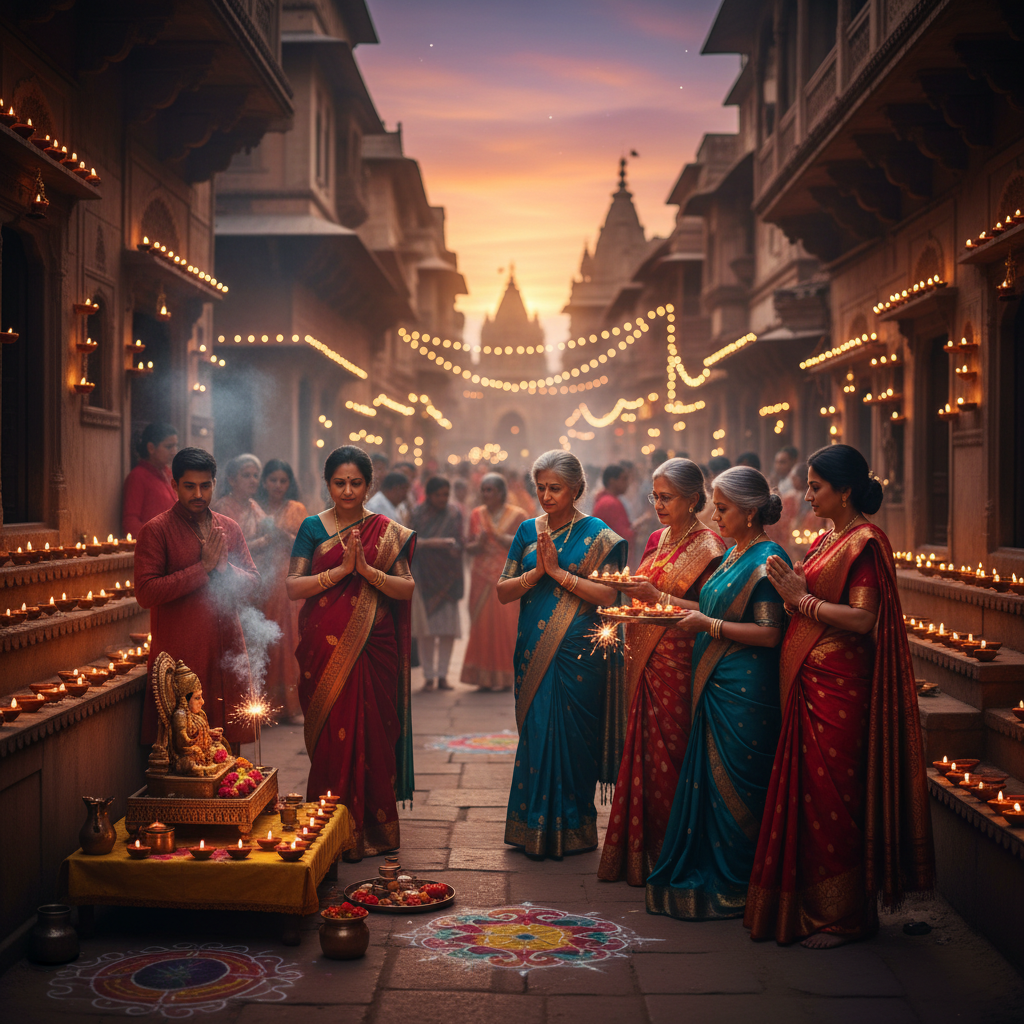
When Is Diwali in 2026? The Main Date at a Glance
The main day of Diwali—called Lakshmi Puja or Diwali Amavasya—is November 8, 2026. That's a Sunday. Most Indians get the weekend to prepare and celebrate without burning leave. Timing follows the Hindu lunar calendar, which tracks the new moon in Kartik. In 2026, that new moon happens late in the Gregorian year, pushing Diwali into early November instead of the October dates we've seen recently.
If you're traveling to India or joining Diwali events, November 8 is the date that matters. You'll see the biggest light displays, hear the loudest fireworks, find families gathered for evening puja. Markets close early. Streets fill with people in new clothes. The whole country shifts into celebration mode as this major public holiday brings together communities across different states.
Why Diwali Falls Late in 2026
Diwali happens on the new moon night in Kartik, the eighth month of the Hindu lunar calendar. Lunar months run about 29.5 days. A lunar year is roughly 11 days shorter than the solar year the Gregorian calendar tracks. To keep religious festivals aligned with seasons, the Hindu calendar adds an extra month every few years—a system called Adhik Maas or leap month.
In 2026, this intercalary adjustment plus the specific Kartik new moon timing combine to push Diwali into the second week of November. Completely normal within the Hindu calendar system. Just feels late compared to years when Diwali hits mid-to-late October. The festival has occurred as early as October 17 and as late as November 14 in recent decades.
The late date means cooler evenings across much of North India. Many people prefer that for outdoor celebrations. It also puts Diwali closer to winter wedding season, creating a packed stretch of social events and family gatherings. This year, the November timing gives Hindus in northern states ideal weather conditions for the extended religious ceremonies and outdoor festivities.
The Five Days of Diwali 2026: Dates and Traditions
Diwali isn't one day—it's five. The main celebration happens on day three. Each day carries its own name, rituals, and regional variations. Here are the dates and core traditions for Diwali 2026:
Day | Date 2026 | Name | Key Activities |
|---|---|---|---|
Day 1 | Friday, November 6 | Dhanteras | Buying gold, silver, or new utensils; cleaning homes; lighting first diyas |
Day 2 | Saturday, November 7 | Naraka Chaturdashi (Choti Diwali) | Oil baths before dawn; decorating with rangoli; lighting lamps |
Day 3 | Sunday, November 8 | Diwali (Lakshmi Puja) | Main puja at sunset; wearing new clothes; fireworks; family feasts |
Day 4 | Monday, November 9 | Govardhan Puja (Annakut) | Preparing 56 or 108 dishes as offering; visiting temples; some start new account books |
Day 5 | Tuesday, November 10 | Bhai Dooj | Sisters apply tilak to brothers; exchange of gifts; family meals |
Dhanteras kicks off the festival with a focus on prosperity. "Dhan" means wealth. "Teras" refers to the thirteenth day of the lunar fortnight. Families consider it auspicious to buy precious metals or new kitchen items on this day. Jewelers and appliance stores see huge crowds November 6.
Naraka Chaturdashi commemorates Krishna's victory over the demon Narakasura. Many Hindus wake before sunrise for an oil bath—believed to cleanse negativity. By evening, homes display more elaborate rangoli patterns and additional rows of oil lamps.
Day three is the peak. Lakshmi Puja happens after sunset as families worship the goddess of wealth and prosperity. Families invite the goddess into their homes through prayers, sweets, and hundreds of small clay lamps called diyas. The night ends with fireworks, though many cities now restrict them due to air quality concerns. This is when the festival of lights reaches its most spectacular moment.
Govardhan Puja on day four holds special significance in North India, where communities build small hillocks of food representing Mount Govardhan. Many business owners perform Chopda Puja this day—closing old account books and starting fresh ones for the new financial year.
Bhai Dooj wraps up the festival by celebrating sibling bonds. Sisters perform a small ceremony for their brothers' long life and prosperity, receiving gifts and promises of protection in return. Similar to Raksha Bandhan but focused on Diwali's themes of family unity.
What Happens During Lakshmi Puja on Diwali Night
Lakshmi Puja is the spiritual heart of Diwali. Families gather in their cleanest, most decorated space just after sunset on November 8, 2026. The puja typically starts between 6:00 PM and 8:00 PM, depending on the muhurat—the auspicious time determined by local priests and almanacs. Exact timing matters to many families, who consult panchang calendars to find the ideal window when Goddess Lakshmi's presence is believed strongest.
The ritual setup includes a small altar or chowki draped in red or yellow cloth. Families place idols or pictures of Lakshmi and Ganesha at the center, surrounded by offerings: flowers, incense, sweets made earlier that day, coins, small bowls of rice and kumkum powder. A kalash—water-filled pot topped with coconut and mango leaves—often sits to one side representing abundance and life.
The puja follows a sequence that varies by region and family tradition but generally includes
Lighting a ghee lamp and offering prayers to Ganesha, the remover of obstacles, first
Chanting specific mantras dedicated to Lakshmi, often the Lakshmi Ashtottara or Mahalakshmi Ashtakam
Offering each item on the altar while reciting its name and purpose
Performing aarti by circling a lamp in front of the deities while singing devotional songs
Distributing prasad, the blessed food, to everyone present
After the formal puja, families light diyas throughout their homes. The idea: welcome Lakshmi by showing her the way with light. Doorways, windows, balconies, even rooftops get lined with small earthen lamps. In urban apartments, strings of electric lights often supplement or replace traditional oil lamps, creating continuous ribbons of illumination across entire buildings.
The rest of the evening blends spiritual observance with celebration. Many families set off fireworks, though this practice has declined in major cities due to pollution regulations and air quality concerns. People gather for elaborate dinners featuring regional delicacies, exchange gifts with extended family, visit neighbors to share sweets and good wishes. Markets and shopping areas stay open late, with crowds moving from shop to shop in their new Diwali outfits.
How Diwali 2026 Is Celebrated Across India
India's regional diversity means Diwali takes on different flavors depending on where you experience it. Core elements stay consistent: light, prayer, family gatherings. But emphasis, mythology, and specific customs shift dramatically from state to state, making this one of the most widely celebrated religious holidays across the nation.
In North India—particularly Uttar Pradesh, Delhi, and Punjab—Diwali celebrates Lord Ram's return to Ayodhya after 14 years of exile. Lighting lamps symbolizes citizens illuminating the path home for their king. Cities like Ayodhya and Varanasi create spectacular displays with hundreds of thousands of diyas lining the ghats and temples. Punjab adds Sikh significance, as Diwali coincides with Bandi Chhor Divas, commemorating Guru Hargobind's release from imprisonment.
West Bengal and Odisha shift focus to Kali Puja. While Lakshmi receives attention, Goddess Kali worship takes center stage on the same new moon night. Elaborate pandals—similar to those built for Durga Puja—house towering statues of Kali. Devotees perform tantric rituals that continue well past midnight, offering red hibiscus flowers, sweets, and sometimes animal sacrifices in traditional settings. The goddess of destruction and transformation takes precedence in these eastern states during the same festival period.
In Gujarat, Diwali marks the start of the new year according to the Gujarati calendar. The day after Diwali sees widespread celebration of Bestu Varas or Gujarati New Year. Business communities close their account books, perform Chopda Puja, host large gatherings. Diwali night itself features less fireworks than North India but more communal garba dancing and singing.
South India celebrates Diwali as Deepavali, often emphasizing Krishna's victory over Narakasura rather than Ram's return. Tamil Nadu, Karnataka, and Andhra Pradesh begin the main celebration on Naraka Chaturdashi—a day earlier than the North. Families wake at 3:00 or 4:00 AM for oil baths, followed by elaborate breakfasts of sweets and savory snacks. Firecrackers go off before dawn rather than at night.
Maharashtra combines elements from multiple traditions. Cities like Mumbai and Pune see massive celebrations focused on both Lakshmi Puja and rangoli competitions. Maharashtrian families prepare faral—a collection of special Diwali snacks including chakli, shankarpali, and karanji—weeks in advance. The day after Diwali features Padwa, when husbands traditionally give gifts to their wives.
Diwali 2026 Travel Planning: Holidays, Crowds, and Events
Planning travel around Diwali requires awareness of how India essentially pauses for the festival. Most Indians get at least two days off work—typically Diwali itself and the day after. Many extend this into a longer break by adding leave before or after, creating a week-long holiday period from November 6 through November 13, 2026. These public holidays make Diwali one of the busiest travel periods of the year.
Transportation becomes heavily strained during this window. Train tickets for routes between major cities and smaller hometown destinations sell out weeks ahead. Airlines raise prices significantly—sometimes doubling or tripling fares compared to normal rates. If you need to travel within India during this period, book 45 to 60 days out minimum. Roads see intense traffic as millions drive to family homes. Highways around major cities experience gridlock on November 6 and 7.
Most government offices close November 8 through November 10. Banks operate on reduced schedules or close entirely. Shops in residential areas shut down November 8, though they may reopen by afternoon November 9. Tourist sites and monuments often see reduced hours. Some state-run museums close for the festival, particularly in states where Diwali holds special religious significance.
For travelers wanting to experience Diwali celebrations, certain cities offer particularly memorable events
Varanasi holds Dev Deepavali typically two weeks after Diwali, but the city lights up magnificently during Diwali itself with thousands of diyas along the Ganges ghats
Jaipur decorates its entire old city with lights and hosts special markets in the Pink City area
Amritsar's Golden Temple creates stunning reflections of thousands of lamps in the surrounding pool
Kolkata's Kali Puja pandals rival the scale and artistry of Durga Puja installations
Goa offers a unique mix as locals burn large effigies of the demon Narakasura before dawn
Air quality becomes a genuine concern, especially in North India. Despite increasing restrictions, the combination of fireworks, crop burning in neighboring states, and weather patterns that trap pollutants creates hazardous conditions. Delhi, Gurugram, and other NCR cities often hit AQI levels above 400 (hazardous) on and immediately after Diwali night. If you have respiratory sensitivities, consider celebrating in South India or coastal areas where air quality stays better.
Hotel rates increase substantially in popular destinations. Availability drops as Indian tourists fill rooms. Beach destinations like Goa, Kerala, and the Andaman Islands see particularly high demand as families use the holiday for vacation. Book accommodations three months ahead if traveling during Diwali week.
How Many Days Until Diwali 2026? A Simple Countdown Method
As of any given day in 2026, you can calculate days until Diwali by counting to November 8. If you're reading this before November 8, 2026, subtract today's date from November 8. For example: October 1, 2026 means 38 days until Diwali. September 1, 2026 means 68 days remaining.
Many Hindu households and temple websites maintain active countdown calendars that auto-update daily. These typically appear on homepage widgets or social media accounts starting in September or early October. Searching "days until Diwali 2026" in any search engine usually surfaces a calculator that provides the exact count.
For those following the lunar calendar more closely, you can also count by tracking the waxing and waning moon cycles. Diwali falls exactly 15 days after Sharad Purnima (the full moon in Ashwin month) and 15 days before Kartik Purnima (the full moon in Kartik). In 2026, Kartik Purnima falls November 23, providing another reference point.
Planning ahead gets easier once you know the date. Many families start preparations about two weeks before Diwali, beginning deep cleaning around late October. Dhanteras shopping happens three days before, on November 6. Sweets and snacks get prepared November 6 and 7. New clothes are typically purchased the week leading up to the festival.
Understanding the Religious Significance of Diwali
Diwali carries deep religious meaning across Hindu traditions, though the specific stories and deities honored vary by region. At its core, the festival celebrates the victory of light over darkness, knowledge over ignorance, and good over evil—universal themes that resonate across different Hindu communities and even other religious groups who observe the festival.
For many Hindus, particularly in North India, Diwali commemorates Lord Ram's return to Ayodhya after defeating the demon king Ravana and completing 14 years of exile. The people of Ayodhya lit oil lamps to guide Ram, Sita, and Lakshman home, establishing the tradition of lighting diyas that continues today. This narrative emphasizes dharma (righteousness) and the restoration of proper order.
In South India and parts of West India, the religious focus shifts to Krishna's victory over Narakasura, a demon who had terrorized the heavens and earth. Krishna's triumph freed 16,000 captive women and restored peace, making the festival a celebration of liberation and divine intervention against tyranny.
Goddess Lakshmi worship forms the central religious practice on Diwali night across all regions. Hindus believe Lakshmi visits clean, well-lit homes on this night, blessing families with prosperity for the coming year. The religious rituals of Lakshmi Puja—mantras, offerings, aarti—create a sacred space for this divine visitation. Many also worship Lord Ganesha alongside Lakshmi, invoking the remover of obstacles to ensure blessings flow freely.
For Jains, Diwali marks the day Lord Mahavira attained moksha (liberation from the cycle of rebirth) in 527 BCE. Jain temples hold special ceremonies, and many Jains observe fasting and meditation during this period, adding another layer of religious observance to the festival.
Sikhs celebrate Bandi Chhor Divas on the same day, honoring Guru Hargobind's release from Mughal imprisonment along with 52 Hindu kings. The Golden Temple in Amritsar illuminates completely for this occasion, blending Sikh religious commemoration with Hindu Diwali traditions.
The religious dimension of Diwali extends beyond mythology to encompass ethical and spiritual renewal. Many Hindus use this period for introspection, resolving conflicts, seeking forgiveness, and recommitting to religious practices. The festival serves as a spiritual reset point in the Hindu religious calendar.
Staying Connected in India During Diwali With SafarieSIM
Network congestion hits peak levels during Diwali as millions of people simultaneously call family, send messages, share photos, stream video. International visitors can find their usual roaming services struggling under the load or facing unexpectedly high charges from the surge in data usage.
SafarieSIM provides an alternative that keeps you connected without hunting for local SIM cards or paying excessive roaming fees. The service offers eSIM plans specifically designed for India travel, delivering local data rates without needing to visit a mobile store or provide extensive documentation. You activate the eSIM before leaving home. It connects automatically when you land.
During Diwali, reliable connectivity becomes especially valuable. You'll want to navigate unfamiliar streets during festivals, share photos of celebrations with family back home, look up temple timings, book last-minute transportation, find restaurants that stay open during the holiday. SafarieSIM's data plans handle all of these needs while maintaining stable speeds even when local networks face heavy traffic.
The service works across India's major carriers, providing coverage in cities, tourist destinations, and most rural areas where celebrations happen. You avoid the common frustration of discovering your international plan doesn't include India or that activation requires an Indian address and identity documents. Installation takes minutes through your phone's settings. The eSIM starts working the moment you arrive.
For travelers attending multiple Diwali events across different cities or extending stays to experience regional variations of the festival, having consistent, affordable data access makes the journey smoother. You can coordinate with hosts, navigate traffic-choked streets during peak travel days, stay in touch throughout the five-day celebration without worrying about connectivity gaps or surprise charges on your home mobile bill.
Frequently Asked Questions About Diwali 2026
What is the real date of Diwali in 2026?
Diwali falls on Sunday, November 8, 2026. This is the main day when families perform Lakshmi Puja after sunset and light diyas throughout their homes. The date is based on the Hindu lunar calendar—specifically the new moon night in the month of Kartik. This represents the actual religious observance date celebrated by Hindus worldwide.
What are the five days of Diwali in 2026?
The five days run November 6 through November 10, 2026. Dhanteras starts the festival Friday, November 6. Naraka Chaturdashi follows Saturday, November 7. The main Diwali celebration happens Sunday, November 8. Govardhan Puja comes Monday, November 9. Bhai Dooj concludes the festival Tuesday, November 10. Each day carries distinct religious significance and traditional practices celebrated across different states.
Why is Diwali late in 2026?
Diwali timing depends on the lunar calendar, which doesn't align perfectly with the Gregorian calendar. The festival occurs on the new moon in Kartik. In 2026 that new moon falls in the second week of November. This is within the normal range for Diwali dates, which can vary from mid-October to mid-November depending on how lunar and solar calendars align each year. The Hindu calendar system accounts for these variations to keep religious festivals synchronized with appropriate seasons.
Is Diwali a public holiday in India?
Yes, Diwali is a gazetted public holiday throughout India. Government offices, banks, and many businesses close for at least one day—typically the main Diwali day and sometimes the day after as well. Schools usually give students a longer break covering the entire five-day festival period. Most states declare November 8, 2026 as an official public holiday, with some states extending holidays through November 10.
How many days from today to Diwali 2026?
Count the days between your current date and November 8, 2026. If you're checking in early 2026, you'll have several months to prepare. If you're checking closer to the festival, the countdown shortens. Online calculators and Hindu calendar websites maintain automatic countdowns that update daily. For example, from October 1, 2026, there are 38 days remaining until Diwali.
What should I wear for Diwali celebrations?
New clothes are traditional for Diwali. Most people choose Indian ethnic wear. Women typically wear sarees, salwar kameez, or lehengas in bright colors like red, gold, or green. Men often choose kurta pajamas or sherwanis. Children dress in miniature versions of adult styles. If attending as a guest, wearing traditional Indian clothing shows respect for the occasion, though clean, festive Western clothing is acceptable too.
Can non-Hindus participate in Diwali celebrations?
Absolutely. Diwali is celebrated across religious communities in India. Guests of any background are welcome at most celebrations. If invited to someone's home for Lakshmi Puja, dress modestly, remove shoes at the entrance, accept prasad when offered, participate in lighting diyas if asked. The festival's themes of light overcoming darkness and good triumphing over evil resonate universally. Many non-Hindu communities join in public Diwali celebrations and holiday festivities.
Are shops and restaurants open during Diwali in India?
Most shops close on the main Diwali day, November 8, especially in residential areas and smaller towns. Restaurants may operate on limited hours or close entirely. Major hotels typically keep their restaurants open to serve guests. Shopping malls might close for the evening puja hours but reopen later. Plan to have food sorted for Diwali night, as delivery services also scale back operations. Availability varies significantly between different states and cities.
What is the significance of lighting diyas during Diwali?
Lighting diyas (oil lamps) symbolizes driving away darkness and inviting prosperity into homes. The lights are believed to guide Goddess Lakshmi to each household. Hindus traditionally light rows of diyas along doorways, windows, and courtyards to create a welcoming path for the goddess. The practice also commemorates citizens of Ayodhya lighting lamps to guide Lord Ram home after his exile. Today, the tradition continues as the defining visual element of this festival of lights.
How do different states in India celebrate Diwali differently?
Regional variations reflect India's diversity. Northern states emphasize Ram's return to Ayodhya and light millions of diyas. West Bengal focuses on Kali Puja with elaborate pandals honoring Goddess Kali. South Indian states celebrate Naraka Chaturdashi more prominently, with early morning oil baths and pre-dawn firecrackers. Gujarat marks the new year on Diwali. Punjab combines Hindu and Sikh traditions with Bandi Chhor Divas. Despite these differences, all regions share the core themes of light, prosperity, and family unity during this major religious festival.