Why Choose Botswana?
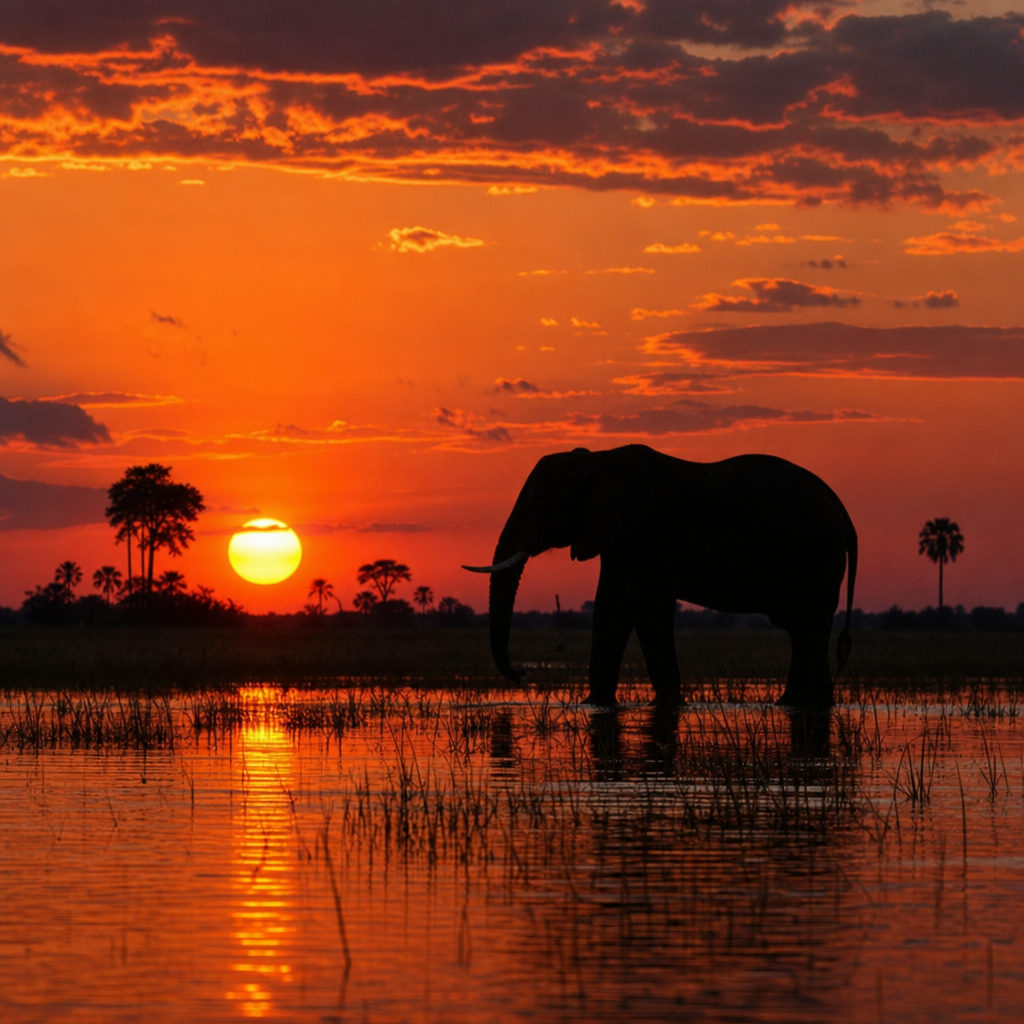
When planning an African adventure, many travelers inevitably find themselves making a Botswana vs South Africa safari comparison. While both countries offer phenomenal wildlife viewing, their approaches and atmospheres are vastly different.
South Africa, notably in areas like the Kruger National Park, is highly accessible, generally more affordable, and offers excellent infrastructure for quick, easy sightings. However, it can also be quite crowded, with paved roads and fenced reserves. Botswana, by contrast, is rugged, remote, and largely unfenced. Wildlife moves freely across vast tracts of land, migrating across international borders. The emphasis here is on deep wilderness immersion. You might spend an entire day on a game drive in Botswana and only encounter one or two other vehicles.
Furthermore, Botswana is a global leader in conservation. A significant portion of its landmass is dedicated to national parks, reserves, and wildlife management areas. By choosing to visit, you are directly supporting a pioneering conservation model that empowers local communities and protects critically endangered species.
When to Go: Decoding the Seasons
Deciding on the best time to travel to Botswana depends entirely on what you want to see and experience. The country's climate dictates the movement of wildlife, the landscape's appearance, and the types of activities available. The most fundamental decision you will make is understanding the difference between green season and dry season safari experiences.
The Dry Season (May to October)
For first-time visitors and traditional wildlife enthusiasts, the dry season is widely considered the peak time to visit. As the months progress from May to October, the land dries out, and water sources in the bush slowly evaporate. This forces wildlife to congregate in massive numbers around the remaining permanent water sources, such as the Chobe River and the Okavango Delta.
During this time, the vegetation is sparse, making it much easier to spot predators like lions and leopards stalking their prey. The days are generally sunny and warm, though the nights in June and July can drop near freezing.
This period is also definitively the best time to visit Okavango Delta. In a fascinating geographical quirk, the Delta actually floods during the dry season. Rainwater that fell months earlier in the Angolan highlands slowly snakes its way down into the Kalahari basin, swelling the Delta's channels between June and August. This creates the perfect conditions for water-based safaris.
The Green Season (November to April)
Also known as the "emerald season," the green season is marked by the arrival of the summer rains. The dry, dusty landscape suddenly explodes into vibrant shades of green.
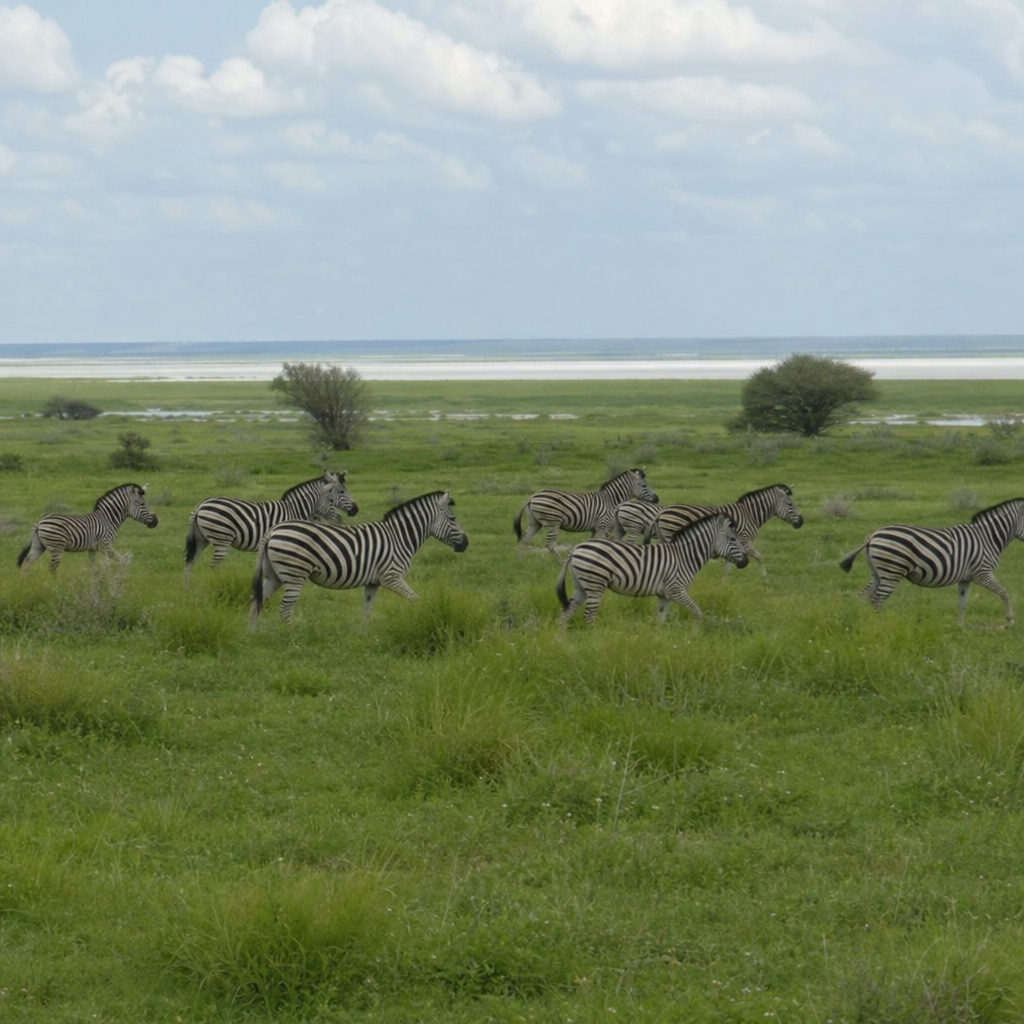
While the thick vegetation and dispersed water sources make spotting game more challenging, the green season offers its own unique magic. This is the birthing season for many antelope species, which in turn brings intense predator action. It is also a paradise for birdwatchers, as migratory species arrive in their thousands. Furthermore, the green season transforms the arid salt pans of the Kalahari and Makgadikgadi into lush grazing grounds, triggering the second-largest zebra migration in the world.
Top Destinations: The Jewels of Botswana
Botswana's landscapes are incredibly diverse. To truly appreciate the country, a well-rounded itinerary should include a mix of water-rich environments and arid desert habitats.
The Okavango Delta
A UNESCO World Heritage site, the Okavango Delta is an inland oasis where a river spills into the desert, creating a vast network of lagoons, channels, and islands. It is one of the most unique ecosystems on Earth.
No trip here is complete without experiencing mokoro excursions in the Delta. A mokoro is a traditional dugout canoe, traditionally propelled by a local guide or "poler" using a long wooden pole. Gliding silently through the papyrus-lined waterways allows you to get incredibly close to nature, observing tiny painted reed frogs, listening to the call of the African fish eagle, and safely observing elephants drinking from the riverbanks.
For accommodation, the region boasts some of the most spectacular luxury eco-lodges in Botswana. Entirely off the grid and often built from sustainable, natural materials, these lodges offer world-class comfort without leaving a permanent footprint on the environment. If your priority is seeing top-tier predators, the private concessions bordering the Moremi Game Reserve (situated within the Delta) host some of the best camps for seeing the Big Five—particularly renowned for exceptional leopard and African wild dog sightings.
Chobe National Park
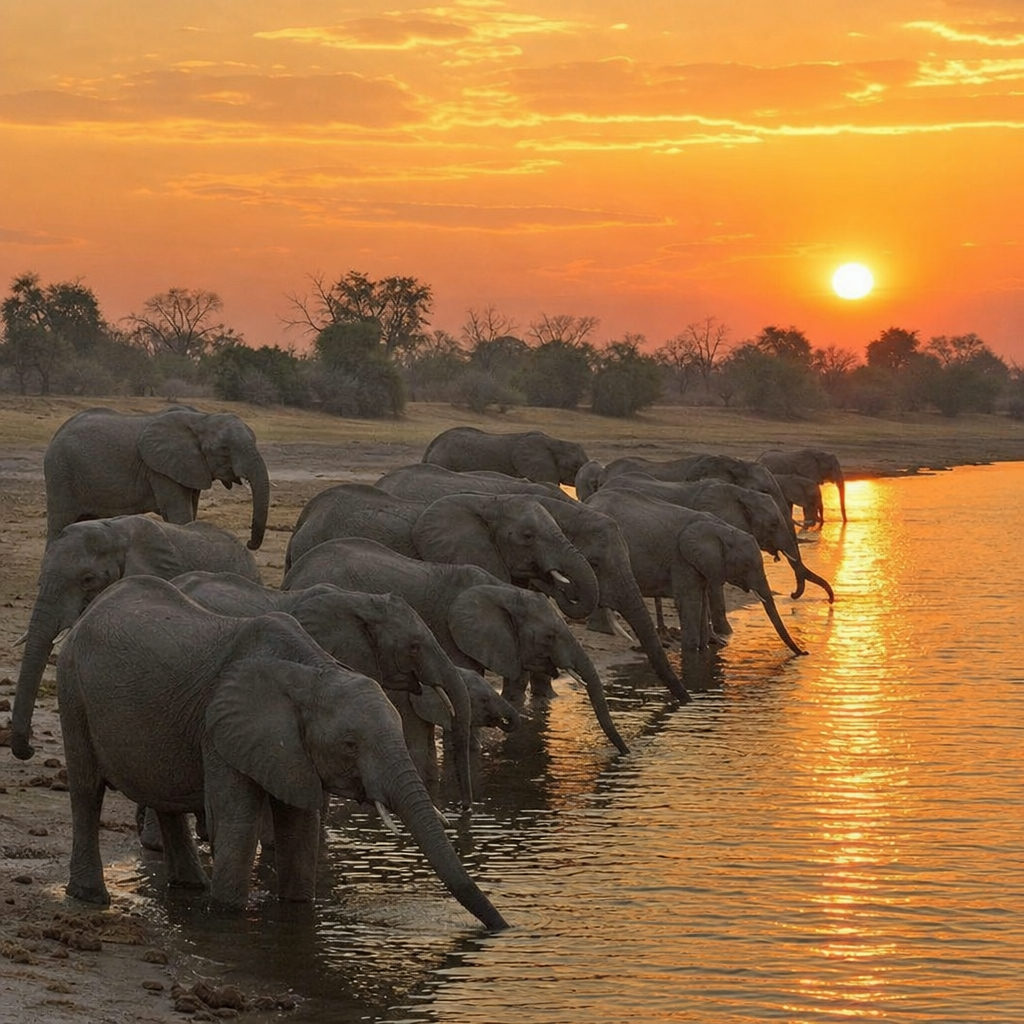
Located in the northern part of the country, Chobe is famous for one thing above all else: elephants. The park is home to an estimated 120,000 elephants, the largest continuous surviving population on Earth.
If you are looking for a comprehensive Chobe National Park safari guide, you must divide the park into its distinct regions:
The Chobe Riverfront: This is the most accessible part of the park, easily reachable from the town of Kasane. Afternoon river cruises here are legendary. You can watch herds of elephants swimming across the river, their trunks acting as snorkels, while crocodiles bask on the banks.
Savuti: Located deeper within the park, Savuti is famed for its stark landscape and intense predator interactions. It is notorious for its large prides of lions that have adapted to hunting massive prey, including buffalo and occasionally even elephants.
Linyanti: Bordering the western edge of Chobe, the Linyanti marshlands offer a remote, highly exclusive safari experience characterized by large packs of wild dogs and massive herds of buffalo.
The Makgadikgadi Pans
When you leave the lush north and head south, you enter a completely different world. The Makgadikgadi Pans are the remnants of a massive ancient super-lake. Today, they form one of the largest salt pan networks in the world—a blindingly white, flat expanse where the curvature of the earth is visible.
During the dry season, the pans are a harsh, surreal, and deeply silent environment. One of the most thrilling ways to explore this alien landscape is by booking Makgadikgadi Pans quad biking tours. Riding a four-wheeler across the vast crust of the salt pan, with nothing but the horizon in all directions, is an exhilarating experience that provides a deep sense of scale and isolation.
The Makgadikgadi region is also one of the best places to engage in respectful, authentic cultural experiences with the San people. The indigenous San bushmen have survived in this harsh environment for tens of thousands of years. Walking through the bush with San trackers, learning how they find water hidden in tubers, track wildlife, and use medicinal plants, is a profoundly humbling experience that adds deep cultural context to your wilderness adventure.
Central Kalahari Game Reserve (CKGR)
The Central Kalahari Game Reserve is one of the largest protected areas in the world. It is a vast expanse of scrub, fossilized river valleys, and golden grasses.
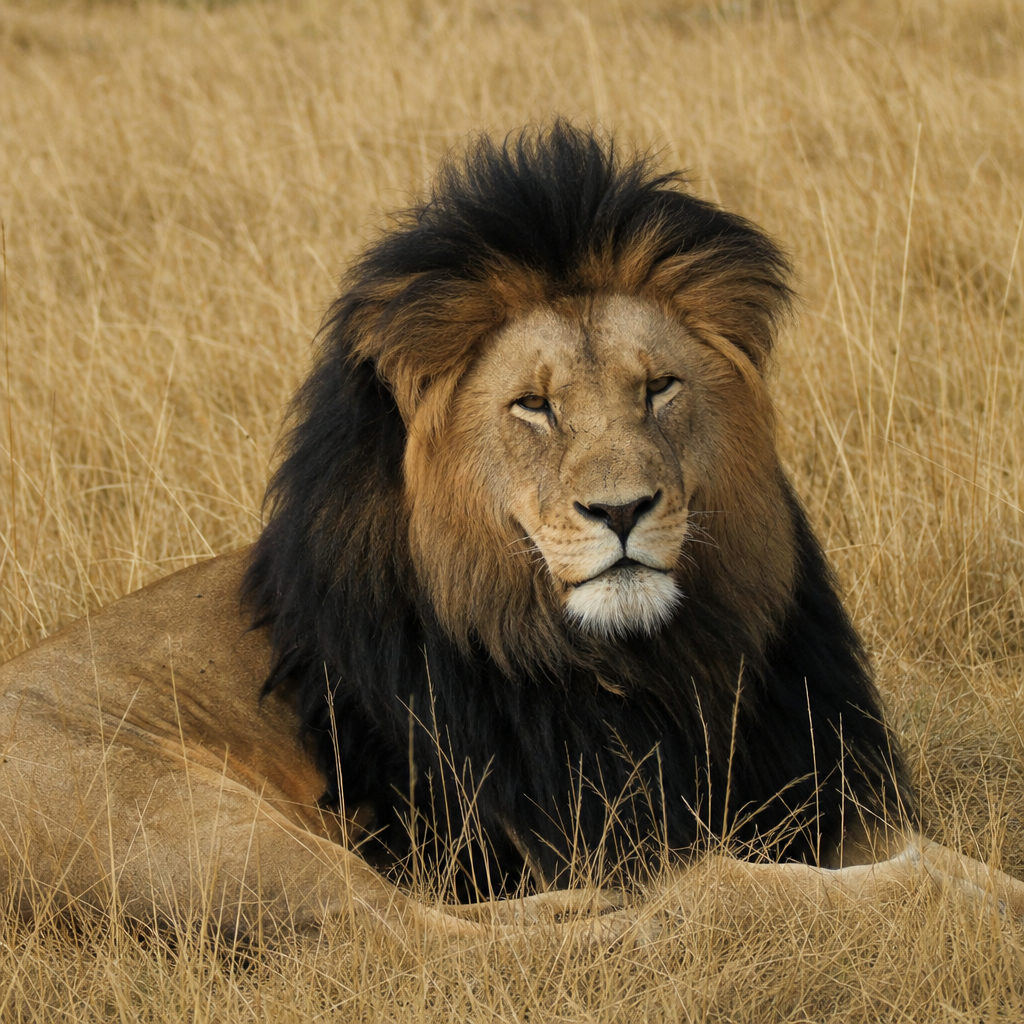
Unlike the rest of Botswana, the CKGR is best visited during the green season (December to March), when the rains bring the desert to life, attracting massive herds of springbok, gemsbok, and wildebeest, which are followed closely by the legendary black-maned Kalahari lions.
Because it is so remote, visitors should be aware of the logistics. The Central Kalahari Game Reserve entry fees are managed by the Department of Wildlife and National Parks (DWNP) and are generally quite affordable (currently around 120 BWP per person per day for international visitors, plus vehicle fees), but booking the designated campsites well in advance is essential, as facilities are extremely limited and you must be completely self-sufficient.
Practicalities: Planning Your Botswana Journey
Traveling to a destination as wild as Botswana requires a bit of logistical preparation. Understanding the rules, health guidelines, and safety protocols will ensure your trip runs seamlessly.
Entry Requirements
Before you book your flights, it is vital to review the entry requirements for international visitors to Botswana.
Visas: Citizens of the United States, Canada, the UK, the European Union, and Australia do not require a visa for tourist visits of up to 90 days.
Passports: Your passport must be valid for at least six months from your date of entry and have at least two blank pages.
Traveling with Minors: Botswana has strict anti-human-trafficking laws. If you are traveling with children under 18, you must carry an original or certified copy of their unabridged birth certificate showing both parents' names. If only one parent is traveling, an affidavit of consent from the absent parent is mandatory.
Tourism Levy: Botswana introduced a modest Tourism Development Levy, which is usually payable at ports of entry, though it is occasionally paused or integrated into flight costs, so check the latest updates prior to departure.
Health and Safety
Safety is a common concern for travelers heading to Africa. So, is Botswana safe for solo travelers? The answer is a resounding yes. Botswana is one of the most politically stable, prosperous, and peaceful countries on the continent. Crime against tourists is extremely rare, especially in safari areas. Solo travelers, including solo female travelers, will find the people warm, welcoming, and helpful. The primary safety concerns in Botswana relate to wildlife, not people. Always listen to your guides, never walk around a bush camp unescorted at night, and keep your tent zipped up.
Regarding health, malaria is a consideration, particularly in the northern areas (Okavango Delta, Chobe, Linyanti) during the wet season. Following standard malaria prevention tips for Botswana is highly recommended:
Consult your doctor or a travel clinic before departure to get a prescription for prophylactic medication (like Malarone or Doxycycline).
Use a strong insect repellent containing DEET or Picaridin on exposed skin.
Wear long-sleeved shirts and long trousers during dawn and dusk when mosquitoes are most active.
Sleep under a mosquito net, which is standard in almost all lodges and camps.
Planning a Self-Drive Safari
While luxury fly-in safaris are popular, adventurous travelers often prefer to take the wheel. If you are wondering how to plan a self-drive safari in Botswana, you must be prepared for a genuine expedition.
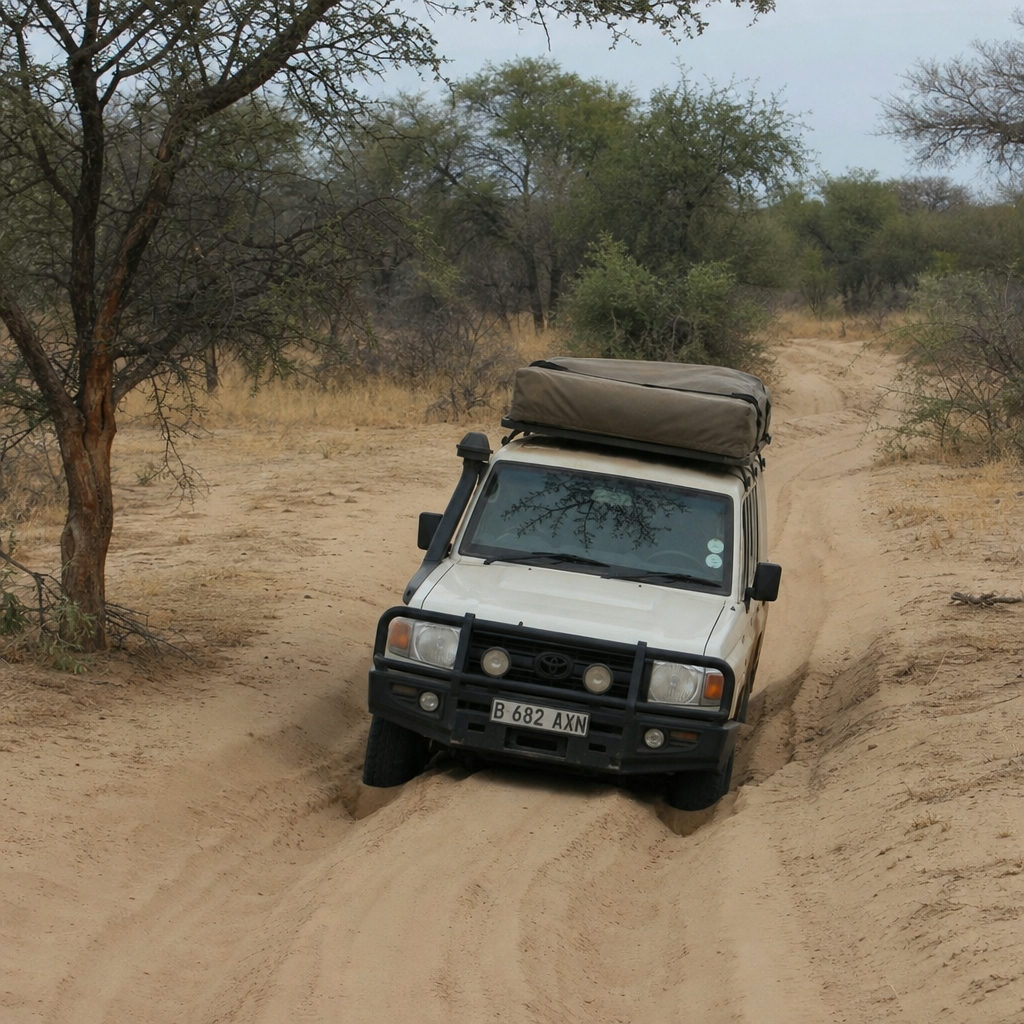
The Right Vehicle: A standard SUV will not cut it. You absolutely need a robust, fully equipped 4x4 vehicle with high clearance. Much of Botswana's park network consists of deep, soft sand tracks, mud (in the wet season), and river crossings.
Navigation: Do not rely on standard mobile mapping apps. Cell service is non-existent in the parks. Invest in a dedicated GPS device loaded with Tracks4Africa software, which charts the deep bush tracks accurately.
Self-Sufficiency: Inside the parks, there are no grocery stores, fuel stations, or mechanics. You must carry extra fuel, sufficient drinking water (at least 5 liters per person per day), all your food, firewood, and a comprehensive medical and vehicle recovery kit (including a high-lift jack, sand tracks, and an air compressor to deflate and inflate your tires for sand driving).
Campsite Bookings: Botswana’s public campsites are privatized and run by a handful of different operators, while park entry fees are paid to the government. Mapping your route and securing these campsites months in advance is the hardest part of planning a self-drive trip, as spaces are heavily restricted to prevent overcrowding.
Communications: Rent a satellite phone. If you break down in the deep sand of Savuti or the CKGR, a satellite phone is your only lifeline to call for recovery.
What to Pack: Safari Essentials
Packing for a safari requires a balance of practicality, comfort, and strict baggage limitations. If you are taking light aircraft transfers between lodges in the Okavango Delta, you will be restricted to soft-sided duffel bags with a strict weight limit (usually 20kg / 44lbs, including hand luggage).
Here are your crucial Botswana safari packing list essentials
Neutral Clothing: Pack lightweight, breathable clothing in shades of khaki, olive, brown, and tan. Avoid bright colors (which startle wildlife), dark blue or black (which attract tsetse flies), and white (which gets dirty immediately).
Layering System: The temperature fluctuations are extreme. A morning game drive in July might start at 5°C (41°F) and peak at 28°C (82°F) by midday. Pack a warm fleece, a windproof jacket, a beanie, and gloves for the morning, but have a t-shirt and shorts ready underneath.
Footwear: Heavy hiking boots are generally unnecessary unless you are doing extensive walking safaris. Comfortable, closed-toe walking shoes or trail runners are perfect for moving around camp and climbing in and out of the 4x4.
Sun Protection: The African sun is unforgiving. Bring a wide-brimmed hat, high-SPF sunscreen, and high-quality polarized sunglasses to reduce the glare off the water and sand.
Camera Gear and Binoculars: Do not rely on your smartphone for wildlife photography. Bring a DSLR or mirrorless camera with a telephoto lens (at least 300mm). Even more importantly, bring a high-quality pair of binoculars (8x42 or 10x42 are ideal). Your guide will have a pair, but having your own is essential to fully appreciate birdlife and distant predators.
Medical Kit: Pack personal prescriptions, painkillers, antihistamines (for insect bites), anti-diarrhea medication, eye drops (the dust can be irritating), and your malaria prophylactics.
Conclusion
To travel to Botswana is to step into a world that operates on nature's timeline. It is a place where the roar of a lion vibrates through your chest, where the milky way stretches across a sky unpolluted by city lights, and where the rhythm of the rising and falling waters dictates life itself.
Whether you are navigating the intricate channels of the Okavango Delta, marveling at the sheer density of elephants in Chobe, engaging with ancient cultures in the Makgadikgadi, or traversing the wild heart of the Kalahari, Botswana offers an unparalleled safari experience. By planning carefully, respecting the delicate environment, and embracing the untamed nature of the bush, your journey to this extraordinary corner of Africa will undoubtedly be the adventure of a lifetime. Start planning your itinerary today, and prepare to be forever changed by the magic of Botswana.